Shares of U.S. shale-oil producers, including Diamondback Energy and Devon Energy, fell last week following news of the U.S. capture of Venezuelan President Nicolás Maduro and his wife, Cilia Flores. The development introduces the possibility of a revitalized Venezuelan oil industry, potentially exacerbating an existing global oil supply glut and further depressing prices.
U.S. shale producers were already facing challenges as 2026 began, with oil prices at four-year lows. The U.S. fracking industry has become a dominant force in domestic oil production over the past two decades, accounting for 64% of total U.S. crude oil production in 2023. The U.S. currently holds the position of the world's largest crude-oil producer, with average production levels of 13.6 million barrels per day (BPD). However, U.S. companies are expecting their first production drop in four years.
The potential resurgence of Venezuelan oil production under a new, U.S.-backed regime presents a complex scenario for the global oil market. Venezuela possesses some of the world's largest proven oil reserves, but its production has plummeted in recent years due to mismanagement, corruption, and U.S. sanctions.
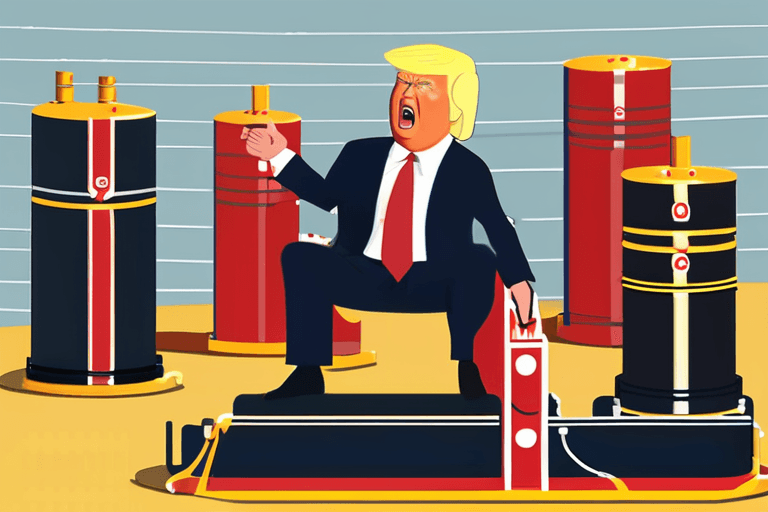
Former U.S. President Donald Trump has stated that U.S. companies will invest billions in Venezuela to revitalize its oil industry. This prospect raises concerns among U.S. shale producers, who fear increased competition and further downward pressure on prices. The global implications extend beyond the U.S., potentially impacting oil-producing nations within OPEC and other regions reliant on oil exports.
The situation in Venezuela remains fluid, and the long-term impact on the global oil market is uncertain. The success of any U.S.-led effort to revive Venezuelan oil production will depend on a range of factors, including political stability, infrastructure development, and international cooperation. The unfolding events are being closely watched by energy analysts and policymakers worldwide, as they could reshape the global energy landscape in the years to come.




















Discussion
Join the conversation
Be the first to comment