Microsoft announced Tuesday a new initiative, Community-First AI Infrastructure, committing the company to covering the full electricity costs of its data centers and forgoing local property tax reductions. The move comes as demand for generative artificial intelligence services has surged in the past year, prompting Big Tech companies to rapidly develop new data centers to support AI applications.
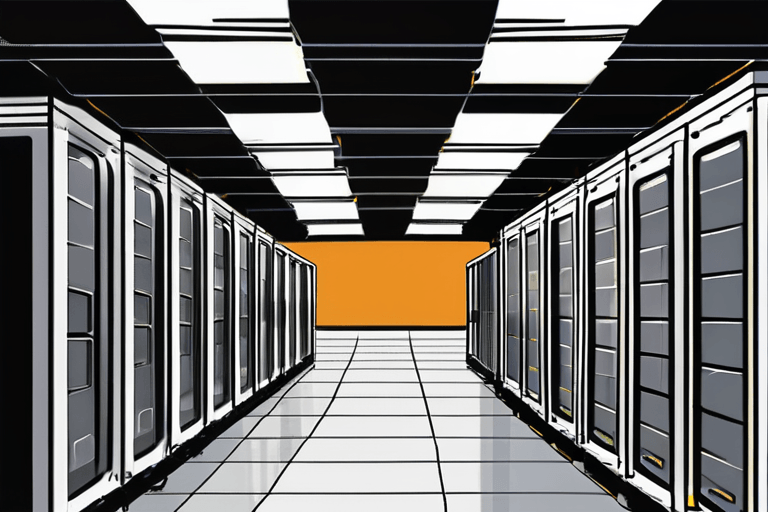
The initiative addresses growing concerns in communities across the country that data centers are driving up residential electricity rates due to their heavy power consumption and straining water supplies for server cooling. These data centers are crucial for running complex AI models that power chatbots and image generators. Generative AI, a type of artificial intelligence, uses algorithms to create new content, such as text, images, and audio, based on the data it was trained on. This process requires significant computational power, hence the need for large, energy-intensive data centers.
The International Energy Agency (IEA) projects that global data center electricity demand will more than double by 2030, reaching approximately 945 terawatt-hours (TWh). The United States is expected to account for nearly half of the total electricity demand growth during this period. This surge in demand coincides with the need to upgrade the country's electricity transmission infrastructure, which is already facing challenges.
Microsoft's commitment aims to mitigate the negative impacts of data center operations on local communities. By covering the full electricity costs, the company intends to prevent rate increases for residents. Refraining from seeking local property tax reductions ensures that communities continue to receive necessary funding for public services. The specific financial implications of this initiative for Microsoft were not immediately disclosed.
The rapid expansion of AI and the infrastructure needed to support it raises broader societal questions about resource allocation and environmental sustainability. As AI becomes more integrated into daily life, the demand for data centers will likely continue to grow, placing further strain on energy and water resources. The long-term effects of this growth on communities and the environment remain a subject of ongoing discussion and debate.


















Discussion
Join the conversation
Be the first to comment