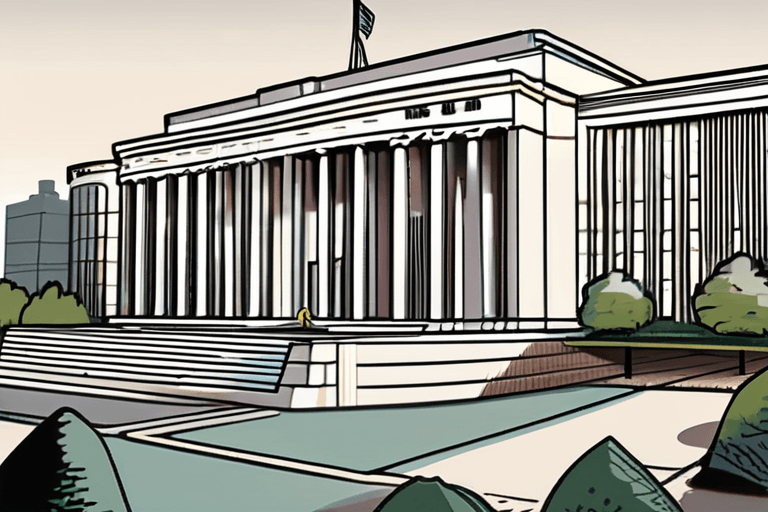
The political landscape shifted dramatically this week as news broke of a criminal investigation into Federal Reserve Chair Jerome H. Powell. The inquiry, initiated by the U.S. attorney in Washington, Jeanine Pirro, centers on the $2.5 billion renovation of the Fed's headquarters and allegations that Powell may have misled Congress regarding the project. The announcement has triggered a wave of criticism spanning political divides, raising questions about the timing and potential motivations behind the investigation.
The probe arrives at a particularly sensitive juncture. President Trump, having recently asserted that his own morality is the only limit to his power, is reportedly keen on reshaping the Federal Reserve board. Powell's current term is set to expire this year, and the investigation casts a shadow over the already complex process of selecting and confirming his successor.
The swift and widespread condemnation of the investigation highlights the delicate balance of power surrounding the Federal Reserve, an institution designed to operate independently from political interference. Republicans, traditionally wary of government overreach, have voiced concerns about the potential for the inquiry to undermine the Fed's autonomy. International policymakers, mindful of the Fed's crucial role in global financial stability, have expressed apprehension about the implications for international markets. Even some of Trump's allies, typically supportive of his agenda, have publicly questioned the wisdom of targeting Powell.
"The timing of this investigation is deeply troubling," said one Republican senator, speaking on condition of anonymity. "It creates the impression of political pressure being brought to bear on the Fed, which could have serious consequences for our economy."
The renovation project at the heart of the investigation has been underway for several years, aiming to modernize the Fed's aging headquarters and improve security. The project's escalating costs have drawn scrutiny from both sides of the aisle, with some lawmakers questioning the Fed's oversight and transparency. However, the decision to launch a criminal investigation, rather than pursue a more conventional audit or congressional inquiry, has fueled suspicions of political motivations.
"While it's important to ensure accountability for taxpayer dollars, a criminal investigation seems like a disproportionate response at this stage," commented a former Treasury official. "It risks politicizing the Fed and undermining its credibility."
The investigation also exposes potential rifts within the Trump administration. While some officials have remained silent on the matter, others have reportedly expressed reservations about the timing and potential fallout of the inquiry. This internal dissension underscores the complex political dynamics at play and the potential for the investigation to backfire on the administration.
Looking ahead, the investigation's impact on the Federal Reserve and the broader economy remains uncertain. The inquiry could complicate the process of selecting Powell's successor, potentially leading to a protracted and contentious confirmation battle. It could also embolden President Trump to exert greater influence over the Fed's policies, raising concerns about the central bank's independence. As the investigation unfolds, the political and economic stakes are undeniably high, demanding careful scrutiny and a commitment to preserving the integrity of the Federal Reserve.















Discussion
Join the conversation
Be the first to comment