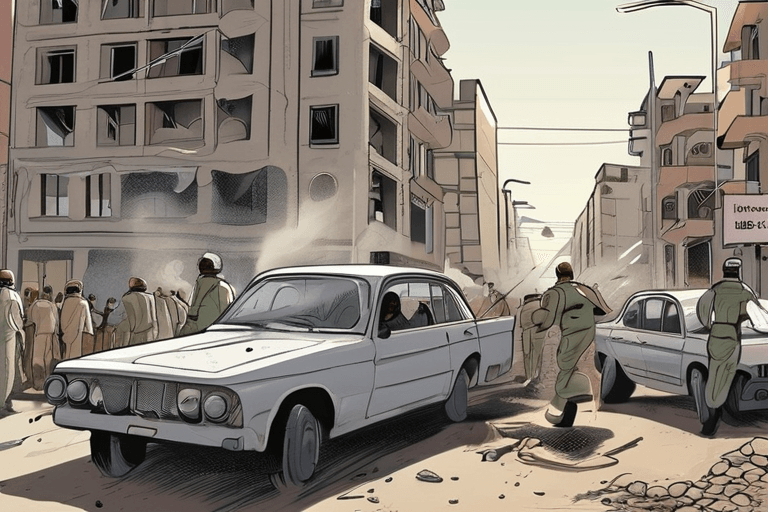
International editor Jeremy Bowen observes that authoritarian regimes tend to collapse in a manner akin to going broke, "gradually then suddenly," but suggests Iran has not yet reached that tipping point. The recent two weeks of unrest represent a significant crisis for the Iranian regime, building upon existing anger and frustration fueled by military setbacks and economic sanctions.
Bowen notes that the current wave of protests follows a series of blows to Iran, including actions by the United States and Israel over the past two years. More significantly, he points to the impact of sanctions on Iranians struggling with the rising cost of living. In September, the UK, Germany, and France reimposed all UN sanctions that had been lifted under the 2015 nuclear deal, further straining the Iranian economy. Food price inflation exceeded 70% in 2025, and the Iranian rial reached a record low in December.
The 2015 nuclear deal, formally known as the Joint Comprehensive Plan of Action (JCPOA), aimed to limit Iran's nuclear program in exchange for the lifting of international sanctions. However, the United States unilaterally withdrew from the agreement in 2018 under the Trump administration, reimposing sanctions and triggering a series of escalating tensions. The reimposition of sanctions by European powers adds further pressure on Iran's already weakened economy.
While the Iranian regime faces considerable pressure, Bowen argues that the evidence does not yet indicate an imminent collapse. The protests, while significant, are not unprecedented, and the government has demonstrated a capacity to suppress dissent in the past. The situation remains fluid, and the future of the Iranian regime hinges on a complex interplay of internal pressures and external factors.

















Discussion
Join the conversation
Be the first to comment