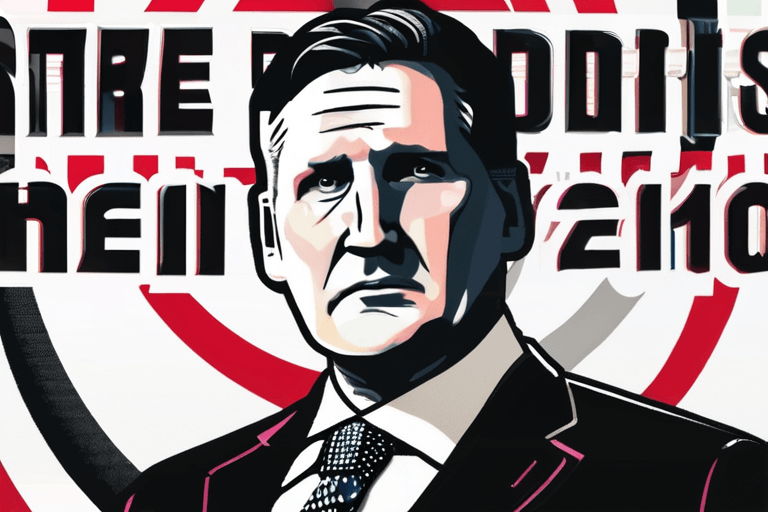
Keir Starmer, leader of the Labour Party, stated that X, formerly known as Twitter, could "lose the right to self-regulate" under a future Labour government. The statement, made during a speech on technology policy in London on Tuesday, raises concerns about the platform's handling of harmful content and its compliance with potential future regulations.
Starmer emphasized the need for stricter oversight of social media platforms, arguing that self-regulation has proven insufficient in addressing issues such as online abuse, disinformation, and the spread of illegal content. He specifically cited concerns about X's moderation policies since its acquisition by Elon Musk, pointing to reports of increased hate speech and a relaxation of content restrictions.
"The era of self-regulation for tech companies has to end," Starmer said. "We need a robust regulatory framework that holds these platforms accountable for the content they host and the impact they have on society." He added that a Labour government would prioritize the safety of online users and would not hesitate to impose stricter regulations if necessary.
The potential loss of self-regulation could have significant implications for X. Currently, the platform operates under a voluntary code of conduct, adhering to guidelines set by industry bodies and engaging in self-monitoring. Losing this privilege could subject X to mandatory regulations, including stricter content moderation requirements, increased transparency obligations, and potential fines for non-compliance.
Industry analysts suggest that stricter regulations could impact X's business model, potentially increasing operational costs and limiting its ability to generate revenue from certain types of content. Some argue that excessive regulation could stifle innovation and limit free speech, while others maintain that it is necessary to protect vulnerable users and ensure a safer online environment.
X has not yet issued an official response to Starmer's comments. However, the company has previously stated its commitment to combating harmful content and maintaining a safe platform for its users. Musk has emphasized his belief in free speech, while also acknowledging the need to address illegal and harmful content.
The future of social media regulation in the UK remains uncertain. The current government is also considering new legislation to address online harms, and the outcome of the next general election could significantly influence the regulatory landscape. The Labour Party's stance suggests a more interventionist approach, potentially leading to stricter rules for platforms like X. The next steps will likely involve further debate and consultation on the specifics of any proposed regulations.









Discussion
Join the conversation
Be the first to comment