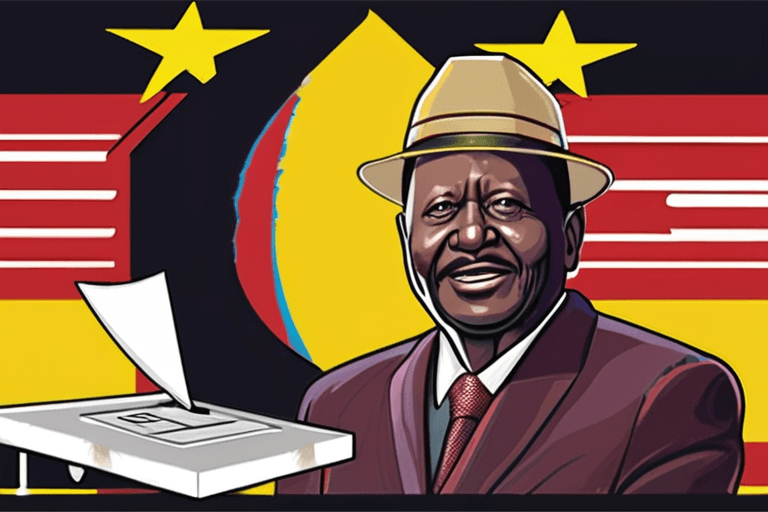
Uganda held presidential elections on Thursday, with incumbent President Yoweri Museveni seeking to extend his rule into a fourth decade. The election pitted Museveni against his main challenger, musician-turned-politician Bobi Wine, whose supporters alleged harassment and intimidation in the lead-up to the vote.
The election's outcome carries significant weight for Uganda, a nation with one of the world's youngest populations. According to Joseph Ochieno, a commentator on African affairs, the election represents a pivotal moment for the country's future trajectory. "This election is about more than just who will be president," Ochieno stated. "It's about the direction Uganda will take in terms of governance, economic development, and social progress."
Supporters of Bobi Wine, whose real name is Robert Kyagulanyi Ssentamu, have voiced concerns about the fairness of the electoral process. Allegations of voter suppression, arbitrary arrests, and restrictions on campaigning have been widespread. Robert Kabushenga, host of The Bad Natives podcast, noted the heightened tensions and anxieties surrounding the election. "There's a palpable sense of unease among many Ugandans," Kabushenga said. "People are worried about the potential for violence and the erosion of democratic principles."
Museveni, who has been in power since 1986, maintains that his leadership has brought stability and economic growth to Uganda. He has campaigned on a platform of continuity, emphasizing his experience and track record in governing the country. However, critics argue that Museveni's long tenure has led to increased corruption, human rights abuses, and a stifling of political dissent.
Alex Vines, Africa programme director at the European Council on Foreign Relations, highlighted the regional implications of the election. "Uganda plays a crucial role in East Africa's security architecture," Vines explained. "The outcome of this election could have significant consequences for regional stability and cooperation."
The election took place amid heightened security measures, with the government deploying military and police forces across the country. The internet was also shut down, raising concerns about transparency and the ability of citizens to access information. The Electoral Commission is expected to announce the official results in the coming days. The aftermath of the election will likely be closely watched by both domestic and international observers, with scrutiny focused on the fairness of the process and the potential for protests or unrest.




















Discussion
Join the conversation
Be the first to comment