TPS shields migrants from deportation to countries deemed unsafe for return and grants temporary work authorization. Noem stated that country conditions in Somalia have improved to the point that it no longer meets the legal requirement for TPS designation.
The move comes amid growing tensions between the Trump administration and the Somali community in the U.S., particularly in Minnesota, home to a large Somali diaspora. Demonstrations against Immigration and Customs Enforcement (ICE) have been ongoing, fueled by reports of increased federal immigration operations targeting the community.
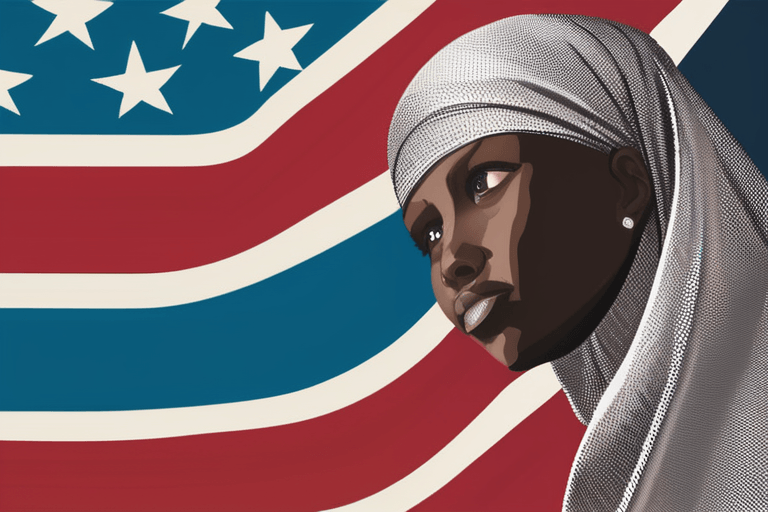
The decision to end TPS for Somalis raises questions about the complexities of cultural integration and the challenges faced by immigrant communities navigating shifting political landscapes. The Somali diaspora in the U.S. has contributed significantly to the cultural and economic fabric of many cities, and the potential impact of this policy change on families and communities is a growing concern.
Minnesota has already filed a lawsuit against the Trump administration over its immigration policies, reflecting the state's commitment to protecting its immigrant residents. The White House is also reportedly considering denaturalizing Somali Americans for alleged fraud, further escalating tensions.
The end of TPS for Somalis marks a significant shift in U.S. immigration policy and underscores the ongoing debate about the role of immigration in American society. The future for many Somali nationals in the U.S. remains uncertain as they face the potential loss of legal status and the threat of deportation.




















Discussion
Join the conversation
Be the first to comment