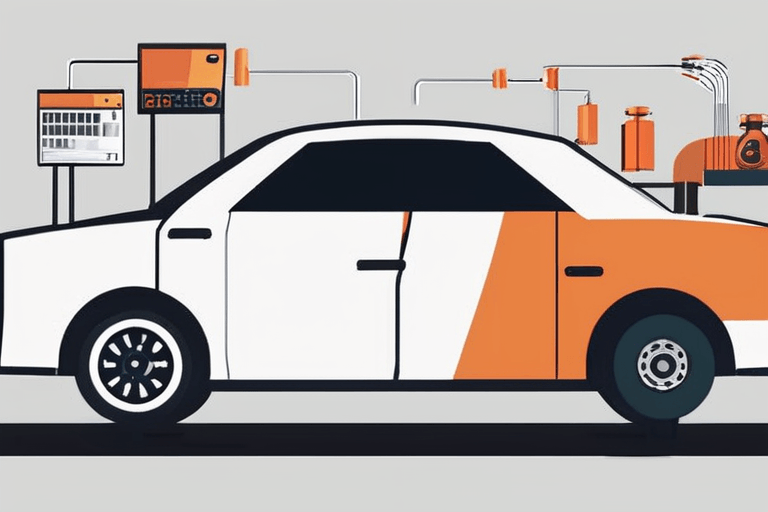
A congressional subcommittee hearing on Tuesday addressed proposed legislation that could significantly alter how vehicle owners access data generated by their cars, potentially making repairs easier and more affordable. The "Repair Act," currently under consideration in the U.S. House of Representatives, aims to mandate that automakers share specific vehicle data with owners, data that is currently restricted to manufacturers and authorized technicians. This data is crucial for diagnosing and performing repairs.
The central issue revolves around the increasing amount of data vehicles collect, including information on driving habits, speed, braking, and even weight. Currently, automakers control access to this data, using secure restrictions that prevent independent repair shops and vehicle owners from performing their own maintenance or modifications. Nathan Proctor, senior director of the right to repair campaign at PIRG, stated that automakers are leveraging exclusive access to this data to incentivize customers to use dealerships for repairs. He argues that this practice limits consumer choice and drives up repair costs. "Automakers are trying to use the kind of marketing advantage of exclusive access to this data to push you to go to the dealership where they know what triggered this information," Proctor said.
The proposed legislation seeks to address this imbalance by requiring automakers to provide owners with the data necessary to repair their vehicles. This would allow owners to choose where they get their cars serviced, potentially fostering competition and lowering repair costs. The implications of the Repair Act extend beyond individual consumers. Independent repair shops would also benefit from access to this data, enabling them to compete more effectively with dealerships. This could lead to a more diverse and competitive automotive repair market.
The debate surrounding the Repair Act highlights the tension between automakers' desire to protect their intellectual property and maintain control over their products, and consumers' right to repair their own property. Automakers argue that unrestricted access to vehicle data could compromise safety and security, potentially allowing unauthorized individuals to tamper with critical systems. However, proponents of the Repair Act contend that these concerns can be addressed through appropriate safeguards and regulations.
The Repair Act is still under consideration in the House of Representatives. The subcommittee hearing was a crucial step in the legislative process, providing an opportunity for lawmakers to hear from experts and stakeholders on both sides of the issue. The future of the Repair Act remains uncertain, but its potential impact on the automotive industry and consumers is significant. Further debate and negotiation are expected as the bill moves through the legislative process.



















Discussion
Join the conversation
Be the first to comment