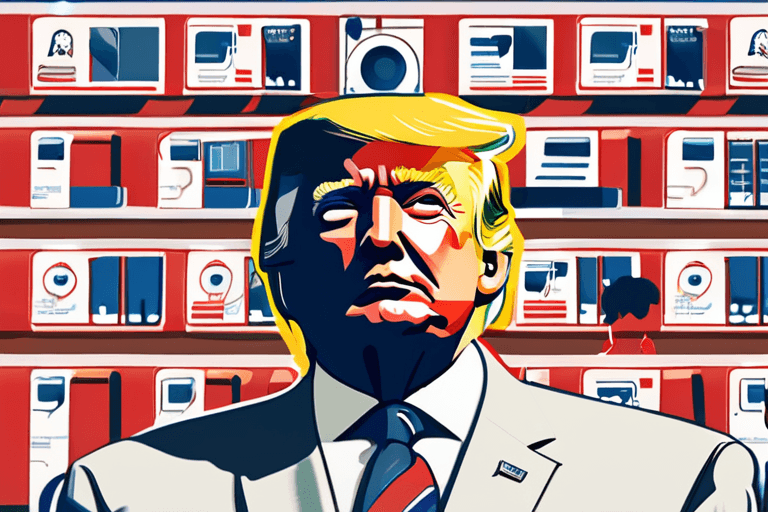
During a hypothetical second term of President Donald Trump, social media is expected to play a central role in shaping policy and disseminating information, according to observers. The dynamic involves the widespread sharing of content, including videos of immigration enforcement actions by the Department of Homeland Security (DHS) on platforms like X, formerly known as Twitter.
The potential administration's reliance on online platforms extends to the amplification of conspiracy theories and the inclusion of right-wing podcasters and influencers in government roles. This approach builds upon strategies employed during Trump's first term, where social media, particularly Twitter, was used to announce policy positions and priorities.
Don Moynihan, a professor of public policy at the University of Michigan, suggests that social media's role has evolved beyond simply controlling conversations and public perception. He argues that the administration is now deeply integrated into right-wing social media ecosystems.
The use of social media to disseminate information and shape public perception has raised concerns about the spread of misinformation and the potential for conspiracy theories to influence policy decisions. Supporters of this approach argue that it allows for direct communication with the public and bypasses traditional media outlets, which they view as biased. Critics contend that it can lead to the spread of false or misleading information and undermine trust in institutions.
The situation reflects a broader trend of political actors leveraging social media to communicate with constituents and shape public discourse. The implications of this trend for governance and public trust remain a subject of ongoing debate.



















Discussion
Join the conversation
Be the first to comment