The future of the multi-billion dollar data center industry may be facing an unexpected disruption: the rise of on-device artificial intelligence. Perplexity CEO Aravind Srinivas recently suggested that powerful, personalized AI tools running directly on consumer devices could eventually render vast data centers obsolete. This shift, if realized, would have profound financial and strategic implications for the tech sector.
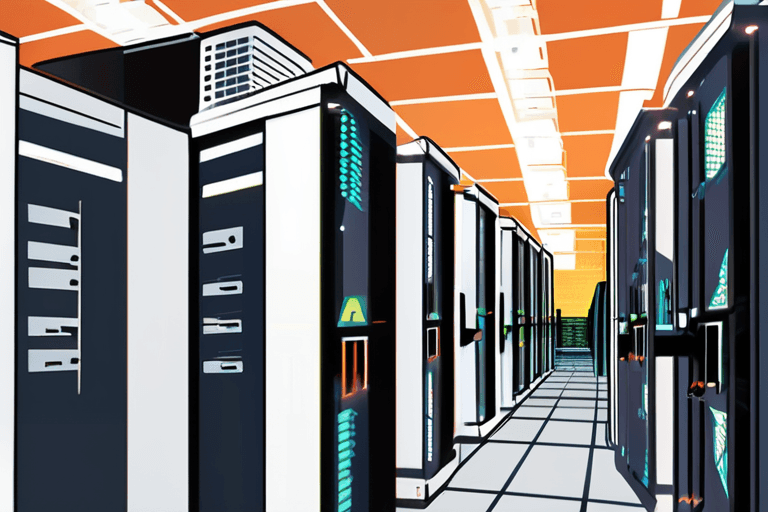
Currently, AI applications heavily rely on data centers, transmitting data back and forth for processing. This infrastructure demands massive investment. While specific figures on the potential financial impact of a shift to on-device AI are still speculative, the data center market is projected to reach hundreds of billions of dollars in the coming years. A significant reduction in demand for data center services would undoubtedly impact the revenue streams of major players in the cloud computing and data storage industries.
The market context is crucial. Companies like Apple and Microsoft are already integrating on-device AI processing into their products. Apple Intelligence, for example, utilizes specialized chips in its latest devices to run AI features locally, promising faster performance and enhanced data security. Microsoft's Copilot laptops also incorporate on-device AI capabilities. However, these features are currently limited to premium devices, highlighting a key challenge: the processing power required for AI remains beyond the capabilities of most standard equipment.
The current reliance on data centers is driven by the need for immense computing power and storage capacity. Companies like Amazon Web Services, Microsoft Azure, and Google Cloud have built massive infrastructures to support AI workloads. These data centers consume vast amounts of energy and require significant capital investment. A move towards on-device AI would necessitate a fundamental shift in this business model, potentially favoring companies that can develop efficient AI algorithms and specialized hardware for consumer devices.
The future hinges on technological advancements. If and when powerful and efficient AI models can run effectively on standard consumer devices, the demand for data centers could diminish. This would not happen overnight, but the long-term implications are significant. Companies that adapt to this potential shift by investing in on-device AI technologies and developing new business models will be best positioned to thrive in the evolving landscape. The development of more energy-efficient chips and optimized AI algorithms will be critical in determining the pace and extent of this transformation.
















Discussion
Join the conversation
Be the first to comment