The record surplus reflects the value of goods and services sold overseas compared to imports. According to Chinese customs data, monthly export surpluses exceeded $100 billion seven times in 2025, indicating a limited overall impact from U.S. tariffs on China's global trade. While trade with the U.S. weakened, China compensated by increasing exports to other regions, particularly Southeast Asia, Africa, and Latin America.
Wang Jun, the deputy director of China's customs, described the figures as "extraordinary and hard-won" during a press conference. He attributed the success to strong overseas demand and noted a rise in exports of green technology, artificial intelligence-related products, and robotics. Wang also acknowledged "profound changes" and challenges in global trade.
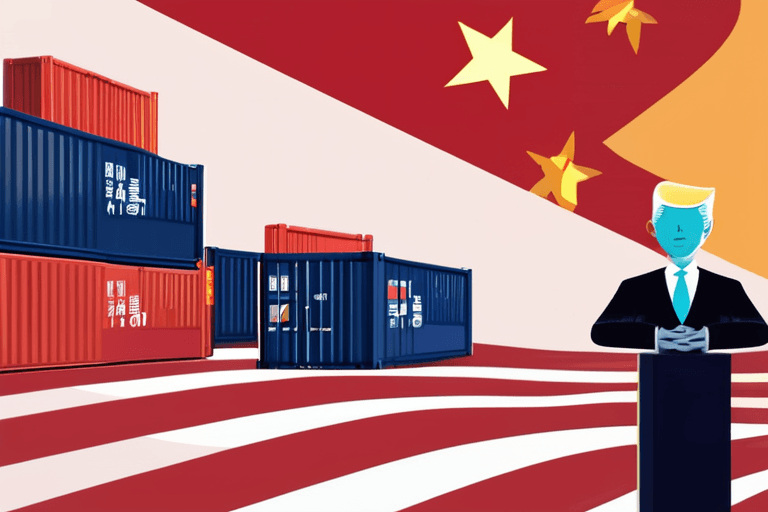
Trump's administration initiated a trade war with China, imposing tariffs on billions of dollars worth of Chinese goods in an effort to reduce the U.S. trade deficit and address what it considered unfair trade practices. The tariffs were intended to pressure China into making concessions on intellectual property protection, market access, and other issues.
Despite the tariffs, China's overall trade surplus continued to grow, raising questions about the effectiveness of the U.S. trade policy. Some economists argue that the tariffs primarily hurt American consumers and businesses, while others maintain that they did put pressure on China to negotiate. The Peterson Institute for International Economics published a report in late 2025 suggesting that the tariffs had a negligible impact on the overall U.S. trade deficit.
The current status of trade relations between the U.S. and China remains complex. While some tariffs remain in place, both countries have engaged in ongoing negotiations to address trade imbalances and other economic issues. Future developments will likely depend on the evolving political and economic landscape, as well as the outcome of these negotiations.
















Discussion
Join the conversation
Be the first to comment