Saks Global, the parent company of Saks Fifth Avenue and Neiman Marcus, filed for Chapter 11 bankruptcy protection, raising concerns about the future of the luxury retailer. The filing comes as the company struggles to stabilize its finances.
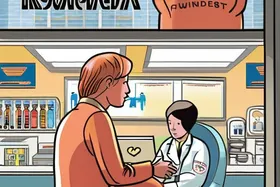
The bankruptcy announcement has left shoppers, vendors, and investors questioning the factors that led to this financial crisis. A recent visit to Saks Fifth Avenue's flagship store in midtown Manhattan revealed potential inventory issues. Penelope Nam-Stephen, a Saks customer, noted the lack of availability of a specific Diptyque fragrance at both the New York and Boston locations. "Everything is out of stock - candles, diffusers," an employee told Nam-Stephen at the New York store.
Several factors may have contributed to Saks Global's financial difficulties. The luxury retail sector has faced challenges in recent years, including shifting consumer preferences, the rise of online shopping, and economic uncertainty. Maintaining a competitive edge in this environment requires significant investment in technology, marketing, and supply chain management.
The company's struggles also highlight the broader challenges facing brick-and-mortar retailers in the age of e-commerce. While Saks Fifth Avenue has invested in its online presence, it has faced stiff competition from online retailers and other luxury department stores.
The Chapter 11 filing allows Saks Global to reorganize its finances and operations while continuing to operate its stores. The company is expected to work with its creditors to develop a plan of reorganization that will allow it to emerge from bankruptcy. The specific details of the reorganization plan remain to be seen, but it is likely to involve cost-cutting measures, store closures, and a renewed focus on online sales. The outcome of the bankruptcy proceedings will have a significant impact on the future of Saks Fifth Avenue and the broader luxury retail market.















Discussion
Join the conversation
Be the first to comment