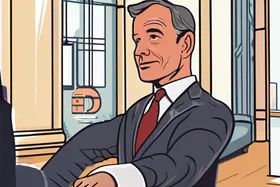
Keir Starmer stated that X, formerly known as Twitter, could "lose the right to self-regulate" under a Labour government, citing concerns over the platform's handling of harmful content. The Labour leader made the comments during a speech on technology policy, emphasizing the need for stricter oversight of social media companies to protect users from abuse and misinformation.
Starmer argued that X has failed to adequately address the spread of hate speech, conspiracy theories, and other forms of harmful content since Elon Musk's acquisition of the company. He pointed to reports of increased online abuse and a relaxation of content moderation policies as evidence of the platform's declining standards. "If X continues down this path, a Labour government would have no choice but to reconsider its regulatory status," Starmer said.
The current regulatory framework in the UK allows social media companies a degree of self-regulation, overseen by Ofcom, the communications regulator. However, the government retains the power to intervene if platforms fail to meet their obligations to protect users. Labour's proposal suggests a more interventionist approach, potentially stripping X of its self-regulatory status and subjecting it to stricter rules and enforcement mechanisms.
The potential loss of self-regulation could have significant implications for X's operations in the UK. It could lead to increased scrutiny of the platform's content moderation policies, potentially requiring it to invest more heavily in resources to identify and remove harmful content. It could also expose X to greater legal liability for failing to protect users from abuse and misinformation.
Industry analysts suggest that stricter regulation could impact X's business model, potentially reducing its profitability and hindering its ability to innovate. However, proponents of tighter regulation argue that it is necessary to protect users from the harms associated with online abuse and misinformation.
X has not yet issued an official response to Starmer's comments. However, the company has previously defended its content moderation policies, arguing that it is committed to protecting users from harmful content while also upholding freedom of speech. The future of X's regulatory status in the UK will likely depend on the outcome of the next general election and the policies pursued by the incoming government. The next steps involve continued monitoring of X's content moderation practices by Ofcom and further debate on the appropriate level of regulation for social media platforms.












Discussion
Join the conversation
Be the first to comment