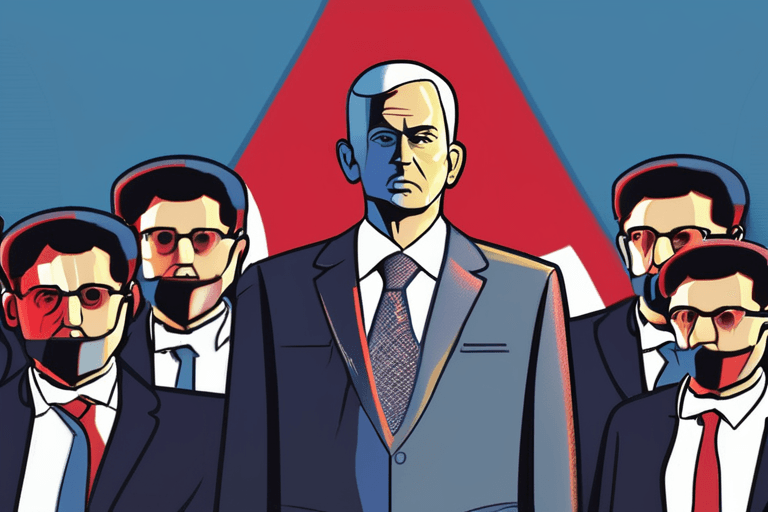
Iranian President Masoud Pezeshkian accused foreign intelligence agencies, specifically those of Israel and the United States, of instigating the ongoing protests against the country's economic struggles and internal policies. Speaking on state broadcaster IRIB on Monday, Pezeshkian asserted that these foreign actors were the same entities responsible for actions against Iran during Israel's 12-day war in June.
The president's comments mark a shift in the government's narrative, moving away from domestic issues such as the struggling economy and suppression of dissent, and towards blaming external forces for the unrest. The protests, which have been ongoing, initially erupted in response to the declining value of the Iranian currency and broader economic grievances.
Iran has a history of accusing foreign powers of meddling in its internal affairs, particularly the United States and Israel, both of which have a long-standing adversarial relationship with the Islamic Republic. Tensions between Iran and Israel have been particularly high, with both countries engaging in a shadow war involving cyberattacks and alleged sabotage. The United States, under successive administrations, has imposed sanctions on Iran, crippling its economy and further fueling public discontent.
The accusations come at a time of heightened geopolitical tensions in the Middle East. The collapse of the 2015 nuclear deal, officially known as the Joint Comprehensive Plan of Action (JCPOA), has further strained relations between Iran and the West. The JCPOA, which limited Iran's nuclear program in exchange for sanctions relief, was abandoned by the United States in 2018 under the Trump administration. Efforts to revive the deal have so far been unsuccessful.
Analysts suggest that the Iranian government's focus on foreign interference is an attempt to deflect attention from its own internal challenges and consolidate support among its base. However, critics argue that such accusations fail to address the legitimate grievances of the Iranian people, who are struggling with economic hardship and a lack of political freedoms. The protests continue, and the government's response remains a point of concern for international human rights organizations. The situation is being closely monitored by international observers, who fear further escalation and potential for violence.











Discussion
Join the conversation
Be the first to comment