Youseph Yazdi, a professor at Johns Hopkins School of Medicine, recently visited Iran amidst ongoing anti-government protests that have resulted in thousands of deaths. The visit, the details of which were discussed in an interview with NPR's Steve Inskeep, provided Yazdi with a firsthand perspective on the current sociopolitical climate within the country.
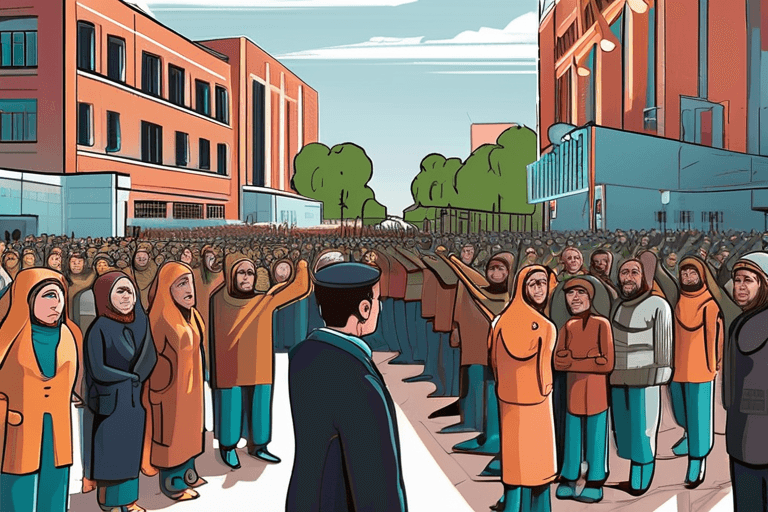
During the interview, Yazdi described the atmosphere in Iran as tense, noting the visible presence of security forces and the palpable sense of unrest among the population. He stated that the protests, sparked by economic grievances and restrictions on personal freedoms, have been met with a harsh response from the government. "The people are frustrated," Yazdi said, "They feel their voices are not being heard."
The protests initially erupted following the death of Mahsa Amini in September 2022, who died while in the custody of Iran's morality police. Amini's death ignited widespread anger over the country's strict dress code for women and the government's broader suppression of dissent. The demonstrations have since evolved into a broader challenge to the Islamic Republic's authority.
The Iranian government has accused foreign entities of instigating the protests and has vowed to crack down on what it describes as acts of terrorism and sabotage. State media outlets have portrayed the protesters as violent rioters seeking to destabilize the country. However, human rights organizations have documented numerous instances of excessive force used by security forces against peaceful demonstrators.
The United States and other Western countries have condemned the Iranian government's response to the protests and have imposed sanctions on Iranian officials allegedly involved in human rights abuses. These sanctions target individuals and entities accused of suppressing dissent and violating international human rights laws. The Iranian government has dismissed these sanctions as interference in its internal affairs.
The situation in Iran remains volatile, with protests continuing in various cities across the country. The government has shown no signs of backing down, and the international community remains divided on how to address the crisis. The long-term implications of the protests for the future of Iran's political system are uncertain.











Discussion
Join the conversation
Be the first to comment