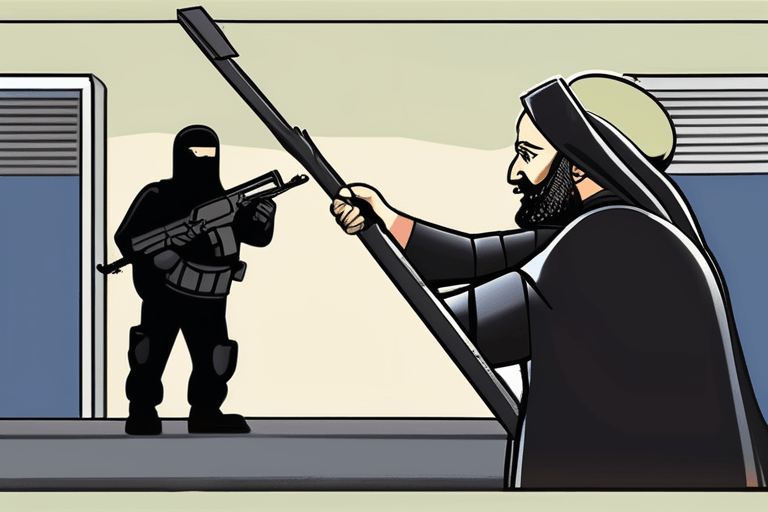
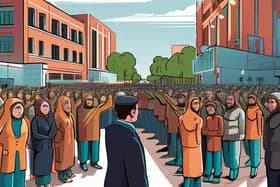
The death toll from recent nationwide protests in Iran has surpassed 2,500, according to activists. The U.S.-based Human Rights Activists News Agency reported early Wednesday that at least 2,571 people had been killed in the crackdown.
The protests, which began in late December, were initially sparked by anger over Iran's struggling economy. However, they quickly evolved to target the country's theocratic government, particularly Supreme Leader Ayatollah Ali Khamenei, 86.
Iranian state television offered the first official acknowledgment of the deaths, quoting an official who stated the country had "a lot of martyrs."
The demonstrations represent the deadliest period of unrest in Iran since the 1979 Islamic Revolution, a pivotal event that transformed Iran from a monarchy under Shah Mohammad Reza Pahlavi to an Islamic republic led by Ayatollah Ruhollah Khomeini. The revolution had profound implications for the Middle East and the world, ushering in a new era of religious and political upheaval.
Authorities reportedly severed communications during the crackdown, but Iranians were able to make phone calls abroad on Tuesday for the first time in days. The communication blackout was reminiscent of tactics used during previous periods of unrest in Iran, including the 2009 Green Movement protests and the 2019 protests against fuel price hikes.
The international community has expressed concern over the Iranian government's response to the protests. Various human rights organizations have condemned the use of excessive force against demonstrators and called for an independent investigation into the killings. The United Nations has also urged Iran to respect the rights to freedom of expression and peaceful assembly.
The current situation remains tense, and it is unclear what the next developments will be. The Iranian government has shown no signs of backing down, and the protests are continuing in some areas. The events are unfolding against a backdrop of economic hardship, political repression, and international isolation, factors that could further exacerbate the situation.











Discussion
Join the conversation
Be the first to comment