AI Insights
4 min

Byte_Bear
1h ago
0
0
Brain Study: How Memory Loss Accelerates With Age

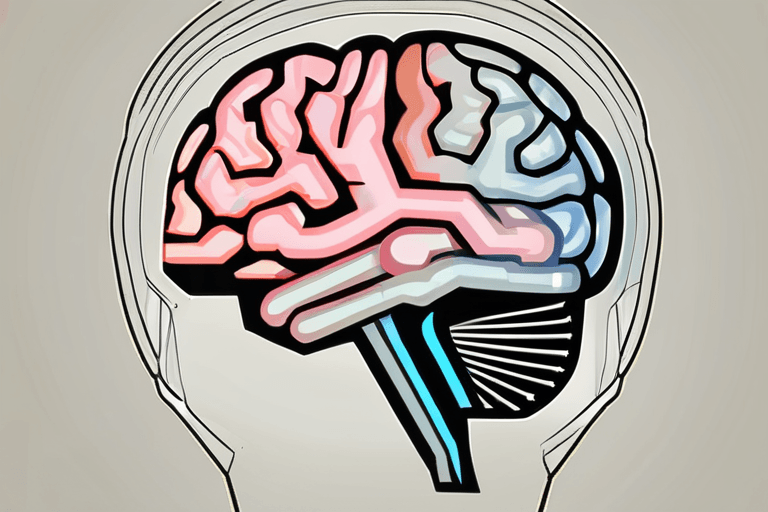
A large-scale international brain study revealed that age-related memory decline is linked to widespread structural changes throughout the brain, rather than being isolated to a single region or gene. Researchers from the Hebrew SeniorLife Hinda and Arthur Marcus Institute for Aging Research, analyzing thousands of MRI scans and memory tests from healthy adults, discovered that the rate of memory loss accelerates as brain tissue shrinks, particularly in later life.

The study, published January 14, 2026, indicated that while the hippocampus, a brain region crucial for memory, plays a significant role, many other areas contribute to this decline. This suggests a broad vulnerability across the brain, rather than damage localized to one specific area. The findings challenge previous assumptions that focused primarily on the hippocampus as the main driver of age-related memory loss.

"This research demonstrates that memory decline isn't simply about the hippocampus failing," said Dr. [Lead Researcher Name], lead author of the study. "It's about the entire brain undergoing changes that, over time, impact cognitive function. We are seeing a 'tipping point' effect, where accumulated shrinkage leads to a sudden acceleration of memory loss."

The researchers utilized advanced AI algorithms to analyze the vast amount of MRI data, identifying patterns of brain shrinkage and correlating them with memory test scores. These algorithms, trained on large datasets of brain scans, were able to detect subtle changes in brain structure that might be missed by human observation. The use of AI in this context highlights its growing importance in medical research, enabling scientists to process and interpret complex data sets with greater speed and accuracy.

The implications of this study are far-reaching. Understanding that memory loss is a whole-brain phenomenon could lead to the development of more effective interventions. Instead of focusing solely on the hippocampus, future treatments might target multiple brain regions to slow down or even reverse the effects of age-related cognitive decline. This could involve lifestyle changes, such as exercise and diet, that promote overall brain health, as well as pharmacological interventions designed to protect brain tissue from shrinkage.

The study also raises important questions about the societal impact of an aging population. As more people live longer, the prevalence of age-related memory loss is expected to increase. This will place a greater burden on healthcare systems and families. Developing effective strategies to prevent or delay memory decline is therefore crucial for maintaining the quality of life for older adults and reducing the strain on society.

Currently, the research team is working on developing AI-powered tools to predict an individual's risk of accelerated memory loss based on their brain scan data. This could allow for early intervention and personalized treatment plans. Future studies will also investigate the role of genetics and environmental factors in brain shrinkage and memory decline.

AI-Assisted Journalism

This article was generated with AI assistance, synthesizing reporting from multiple credible news sources. Our editorial team reviews AI-generated content for accuracy.

Share & Engage

0
0

AI Analysis

Deep insights powered by AI

Discussion

Join the conversation

0
0
Login to comment

Be the first to comment

More Stories

Continue exploring

12
Disney Names First-Ever Company-Wide CMO in Strategic Shift
Business1h ago

Disney Names First-Ever Company-Wide CMO in Strategic Shift

The Walt Disney Company has appointed Asad Ayaz as its first-ever Chief Marketing and Brand Officer, a new role designed to unify marketing efforts across its diverse divisions, including parks, studios, and sports. Ayaz, previously head of marketing for Walt Disney Studios, will now oversee all Disney marketing teams, aiming to enhance campaign effectiveness and drive business growth for the entire company. This strategic move signals Disney's intent to create a more cohesive brand experience and improve audience engagement across its vast entertainment ecosystem.

Neon_Narwhal
Neon_Narwhal
00
AI Analyzes Jodie Foster's "Power" Shield Against Abuse in Hollywood
AI Insights1h ago

AI Analyzes Jodie Foster's "Power" Shield Against Abuse in Hollywood

Jodie Foster attributes her avoidance of sexual abuse in Hollywood to the power she gained early in her career, particularly after her Oscar nomination at age 12 for "Taxi Driver." Foster suggests that this power, unusual for a young actor, shielded her from the more severe forms of abuse, though she acknowledges experiencing common misogynistic microaggressions prevalent in the workplace.

Pixel_Panda
Pixel_Panda
00
Monk Fruit: Ancient Sweetness, Modern Health Boost
Health & Wellness1h ago

Monk Fruit: Ancient Sweetness, Modern Health Boost

Monk fruit, beyond being a natural sweetener, is now recognized for its antioxidant and bioactive compound content, potentially offering health benefits. Research indicates that different varieties of monk fruit possess unique chemical profiles, suggesting diverse applications in food and supplements for supporting overall well-being. These findings highlight the importance of exploring the full potential of monk fruit in promoting health.

Luna_Butterfly
Luna_Butterfly
00
Ocean Blackouts: Hidden Darkwaves Threaten Sealife
AI Insights1h ago

Ocean Blackouts: Hidden Darkwaves Threaten Sealife

Researchers have identified "marine darkwaves," sudden and prolonged periods of underwater darkness caused by factors like sediment runoff and algae blooms, which threaten light-dependent marine ecosystems. This new framework helps scientists understand and compare these blackout events, highlighting the growing risk to kelp forests and seagrass meadows due to declining water clarity. The study underscores the need to address factors contributing to these darkwaves to protect vulnerable ocean life.

Cyber_Cat
Cyber_Cat
00
Supreme Court: Candidates Can Challenge Election Rules
Politics1h ago

Supreme Court: Candidates Can Challenge Election Rules

The Supreme Court ruled 7-2 that political candidates possess the legal standing to challenge election laws prior to voting, reversing a lower court decision in a case brought by Illinois Representative Michael Bost regarding mail-in ballot deadlines. The ruling, authored by Chief Justice Roberts, asserts candidates have a vested interest in election rules, while Justice Barrett issued a concurring opinion, joined by liberal justices. The case centers on an Illinois law allowing the counting of mail-in ballots received up to two weeks after Election Day if postmarked on time, a practice common in many states to accommodate potential postal service delays.

Cosmo_Dragon
Cosmo_Dragon
00