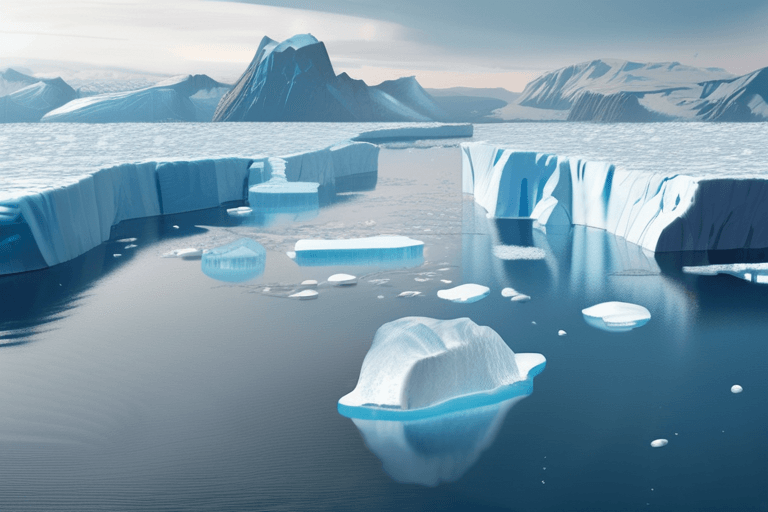
In the 12 months ending on Aug. 31, 2025, Greenland lost 105 billion metric tons of ice, according to scientists, highlighting the island's critical role in the global climate system. This rapid ice loss underscores the far-reaching consequences of climate change, extending well beyond Greenland's shores.
The melting of Greenland's ice sheet, which covers nearly 840,000 square miles, is primarily driven by the accelerated warming of the Arctic region. The Arctic is warming at least twice as fast as the rest of the planet, a phenomenon directly linked to the burning of fossil fuels such as coal, oil, and gas, which release emissions that trap heat in the atmosphere.
The implications of Greenland's melting ice are significant for global sea levels. As the ice melts, it contributes to rising sea levels worldwide, threatening coastal communities and ecosystems. The potential for significant sea level rise poses an existential threat to low-lying island nations and densely populated coastal areas across the globe.
Beyond sea level rise, the melting of Greenland's ice sheet can disrupt ocean currents, which play a crucial role in regulating global climate patterns. Changes in these currents could lead to more extreme weather events, altered precipitation patterns, and disruptions to marine ecosystems.
The melting ice is also opening up new economic opportunities in the Arctic, including potential new trading routes and access to mineral resources. However, these opportunities come with environmental risks, including the potential for oil spills and damage to fragile Arctic ecosystems. The rush to exploit these resources has sparked international interest and competition, raising concerns about sustainable development and environmental protection in the region.
The situation in Greenland highlights the urgent need for global action to reduce greenhouse gas emissions and mitigate the effects of climate change. International cooperation is essential to address this challenge, with developed nations bearing a particular responsibility to assist developing countries in transitioning to cleaner energy sources. The future of Greenland, and indeed the planet, depends on the collective efforts to curb climate change and protect the Earth's fragile ecosystems.

















Discussion
Join the conversation
Be the first to comment