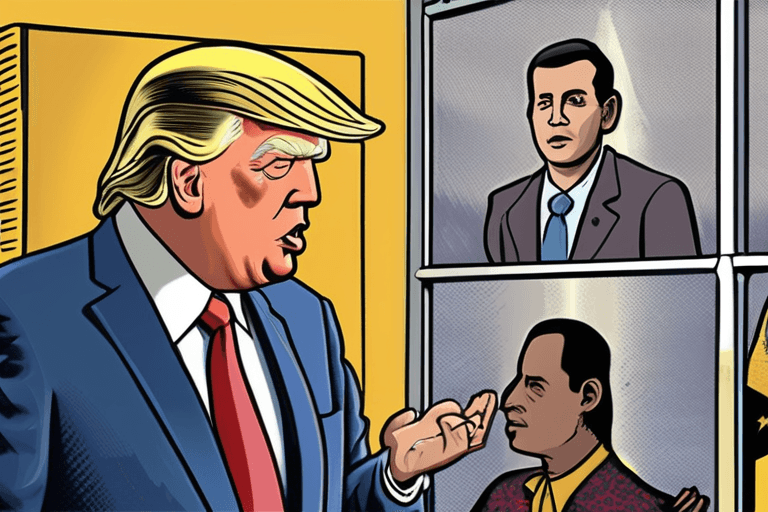
Venezuela's acting President Delcy Rodriguez vowed Wednesday to continue releasing prisoners detained under the presidency of Nicolas Maduro and characterized her first phone call with United States President Donald Trump since Maduro's abduction by U.S. forces as positive. Rodriguez, Maduro's former vice president, stated that she had a "long, productive and courteous" phone call with Trump, during which they discussed a bilateral agenda intended to benefit both countries.
Rodriguez made the announcement during a news conference at Miraflores Palace in Caracas. She did not specify the number of prisoners to be released or the timeline for their release. The releases are seen by some analysts as a gesture of goodwill aimed at fostering dialogue with the U.S. and potentially easing sanctions imposed on Venezuela.
The circumstances surrounding Nicolas Maduro's removal from power remain contentious. The U.S. government has not officially commented on the details of his "abduction," but various sources suggest it was a covert operation linked to ongoing efforts to stabilize the region and address concerns about human rights and democratic governance under Maduro's leadership.
The phone call between Rodriguez and Trump marks a significant shift in diplomatic relations. Previously, the U.S. had maintained a firm stance against Maduro's government, recognizing opposition leader Juan Guaidó as the legitimate interim president. Trump's decision to engage directly with Rodriguez signals a potential willingness to explore new avenues for resolving the Venezuelan crisis.
The situation in Venezuela has been further complicated by the increasing use of artificial intelligence in political analysis and decision-making. AI algorithms are being employed to monitor social media, predict political instability, and even generate propaganda. This raises concerns about the potential for manipulation and the erosion of trust in traditional news sources. The use of AI in this context also highlights the need for greater transparency and accountability in the development and deployment of these technologies.
The next steps remain uncertain. Further prisoner releases and continued dialogue between Venezuela and the U.S. could pave the way for a more stable political environment. However, significant challenges remain, including addressing the country's economic crisis, ensuring free and fair elections, and resolving the deep-seated political divisions within Venezuelan society. The international community continues to monitor the situation closely, with various actors advocating for a peaceful and democratic resolution to the crisis.













Discussion
Join the conversation
Be the first to comment