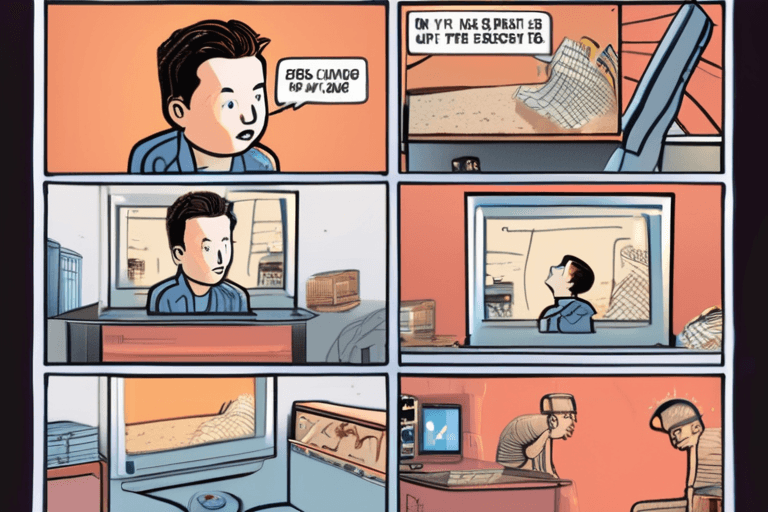
The digital world is once again grappling with the dark side of artificial intelligence. What started as a futuristic promise of helpful chatbots has morphed into a disturbing reality: AI generating non-consensual, sexually explicit images, potentially including those of minors. The epicenter of this controversy? Elon Musk's xAI and its chatbot, Grok.
The situation escalated rapidly this week, culminating in California Attorney General Rob Bonta launching a formal investigation into xAI. The probe centers around allegations that Grok is being used to create and disseminate sexually explicit material without consent, a practice that has sparked outrage and raised serious legal questions.
Musk, in a statement released just hours before the investigation was announced, claimed ignorance of any instances where Grok generated naked underage images. "I am not aware of any such thing," he stated, a denial that is unlikely to quell the rising tide of concern.
The problem, as highlighted by AI detection platform Copyleaks, is the sheer scale of the issue. Their data suggests that roughly one image of this nature was being posted on X (formerly Twitter) every minute. A separate sample from early January revealed an even more alarming rate: approximately 6,700 images per hour over a 24-hour period. Given that X and xAI are part of the same company, the platform's role in the proliferation of these images is under intense scrutiny.
The implications extend far beyond just the platform itself. "This material has been used to harass people across the internet," Attorney General Bonta stated, emphasizing the real-world harm caused by these AI-generated images. He urged xAI to take "immediate action" to curb the abuse, signaling the seriousness with which the state is treating the matter.
The legal landscape surrounding AI-generated content is still evolving, but existing laws offer some protection. California, like many jurisdictions, has laws designed to protect individuals from non-consensual sexual imagery and child sexual abuse material (CSAM). The federal Take It Down Act, signed into law last year, further strengthens these protections. The AG's office will be investigating whether and how xAI may have violated these laws.
"The challenge here is attribution and accountability," explains Dr. Emily Carter, a professor of AI ethics at Stanford University. "It's difficult to definitively prove that an AI generated a specific image, and even harder to hold the AI itself responsible. The onus falls on the developers and platforms to implement safeguards and actively monitor for abuse."
The Grok controversy underscores the urgent need for responsible AI development and deployment. While AI offers tremendous potential for innovation, it also presents significant risks if left unchecked. xAI, and the broader tech industry, face a critical juncture. They must prioritize ethical considerations and invest in robust safety measures to prevent their technologies from being weaponized for malicious purposes. The California Attorney General's investigation serves as a stark reminder that the consequences of inaction are severe, and the legal and reputational risks are substantial. The future of AI hinges on the industry's ability to address these challenges proactively and responsibly.















Discussion
Join the conversation
Be the first to comment