Enterprises are increasingly focused on how artificial intelligence agents interact and collaborate, shifting the focus from individual agent capabilities to the orchestration of multi-agent systems. Agent-to-agent communication is becoming a crucial aspect of AI implementation, according to Tim Sanders, chief innovation officer at G2.
Sanders told VentureBeat that without proper orchestration, AI agents can misunderstand each other, similar to individuals speaking different languages. These misunderstandings can degrade the quality of actions performed by the agents and increase the risk of hallucinations, potentially leading to security breaches or data leaks.
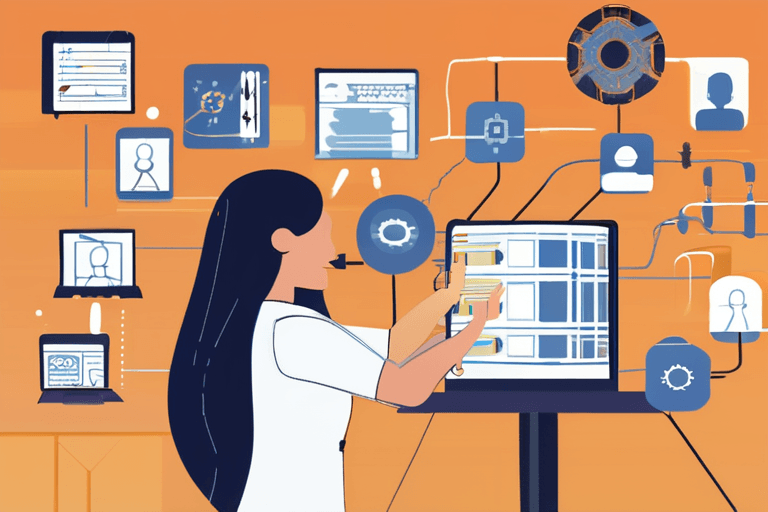
The concept of orchestration, traditionally centered around data management, is now expanding to encompass action coordination. Solutions are emerging that integrate AI agents, robotic process automation (RPA), and data repositories, functioning as conductors to harmonize their activities. Sanders compared this evolution to answer engine optimization, which started with monitoring and has progressed to creating customized content and code.
Orchestration platforms aim to enhance the consistency of outcomes by coordinating diverse agentic solutions. This involves managing the flow of information and tasks between different AI agents, ensuring they work together effectively towards a common goal. The development reflects a growing understanding that the true potential of AI lies not just in the capabilities of individual agents but in their ability to collaborate seamlessly.
















Discussion
Join the conversation
Be the first to comment