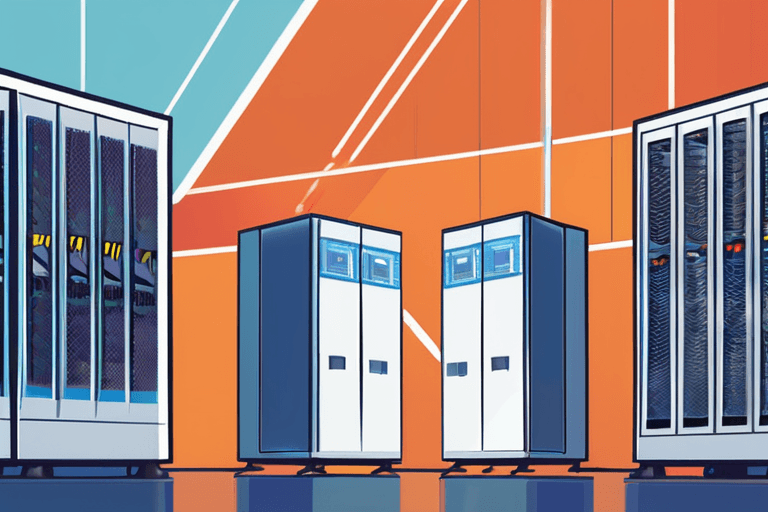
Data centers, those behemoths of the digital age, are simultaneously hailed as economic saviors and reviled as environmental nightmares. These massive structures, some spanning millions of square feet, house hundreds of thousands of high-end GPU chips, the workhorses behind advanced AI models. The sheer scale of these facilities is staggering, requiring millions of pounds of steel, aluminum, and concrete, along with hundreds of miles of wiring.
The computational power packed within these walls is immense. Each chip, costing upwards of $30,000, processes hundreds of thousands of tokens per second. Experts say the construction of these data centers is a significant driver of the U.S. stock market and the broader economy. "The capital being poured into these facilities by the world's biggest companies is unprecedented," said industry analyst Sarah Chen, "and it's having a ripple effect across multiple sectors."
However, this digital prowess comes at a cost. Data centers consume vast amounts of electricity, sometimes hundreds of megawatt-hours, leading to concerns about their environmental impact. The heat generated by these facilities necessitates complex and energy-intensive cooling systems. Critics argue that the benefits of AI and cloud computing are being offset by the environmental burden of these data centers. "We need to find more sustainable ways to power and cool these facilities," said environmental activist Tom Evans. "Otherwise, we're just trading one problem for another."
The cultural impact of data centers is also a subject of debate. While they enable many of the technologies we rely on daily, from streaming services to social media, they also raise questions about data privacy and security. The concentration of data in these facilities makes them potential targets for cyberattacks, and the vast amounts of personal information they store raise concerns about surveillance and misuse.
The future of data centers is uncertain. While demand for computing power is expected to continue growing, there is increasing pressure to make these facilities more sustainable and secure. Innovations in cooling technology, renewable energy sources, and data encryption are being explored to address these challenges. The industry is also grappling with the question of where to locate these facilities, balancing the need for proximity to power sources and network infrastructure with concerns about community impact. The debate over data centers is likely to continue as society grapples with the complex trade-offs between technological progress and its consequences.


















Discussion
Join the conversation
Be the first to comment