A senior official in Sudan's Transitional Sovereignty Council (TSC) stated there would be no negotiations with the paramilitary Rapid Support Forces (RSF) as fighting continues to devastate the country. Malik Agar Ayyir, deputy chairman of the TSC, made the announcement in a statement on Thursday, posted by the Ministry of Culture, Media and Tourism.
Ayyir, speaking to ministers and state officials in Port Sudan, the eastern city where the government is based, rejected the idea that the ongoing conflict is aimed at achieving democracy. He described the war differently, without elaborating on his specific interpretation.
"There is no truce and no negotiation with an occupier, and that the just peace that Sudan desires will be achieved through the roadmap and vision of its people and government," Ayyir said.
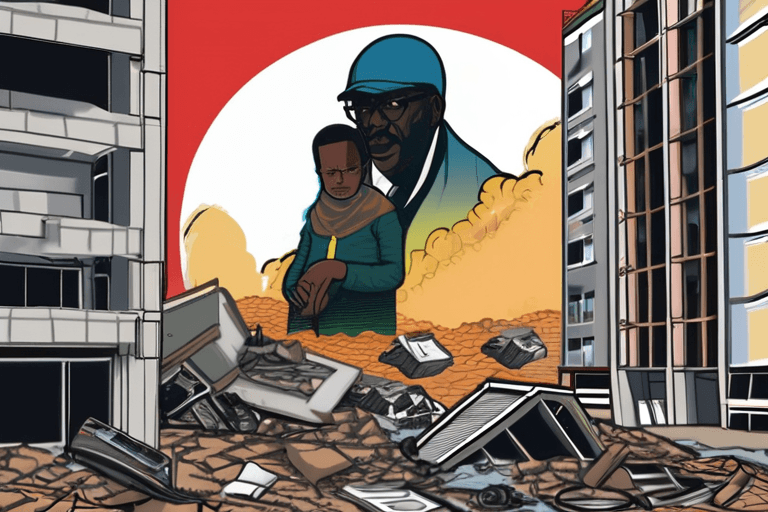
The conflict between the Sudanese army and the RSF began in April 2023, plunging the nation into a humanitarian crisis and exacerbating existing social and economic tensions. The fighting has displaced millions of Sudanese people, creating a complex web of internal migration and refugee flows. The cultural fabric of Sudan has been significantly impacted, with historical sites damaged and traditional community structures disrupted.
The TSC was formed following the ouster of Omar al-Bashir in 2019, intended to guide Sudan towards democratic elections. However, the military's continued influence and the power struggle between the army and the RSF have derailed the transition. The conflict reflects deeper societal divisions, including those along ethnic and regional lines, and competition for resources and political power.
The government's stance against negotiation signals a hardening of positions, potentially prolonging the conflict and its devastating impact on Sudanese society. The focus on a "roadmap and vision of its people and government" suggests an attempt to rally national unity and legitimacy behind the TSC's leadership. However, the exclusion of the RSF from this vision raises concerns about the inclusivity of any future peace process. The long-term consequences of the conflict on Sudan's cultural heritage, social cohesion, and political stability remain uncertain.















Discussion
Join the conversation
Be the first to comment