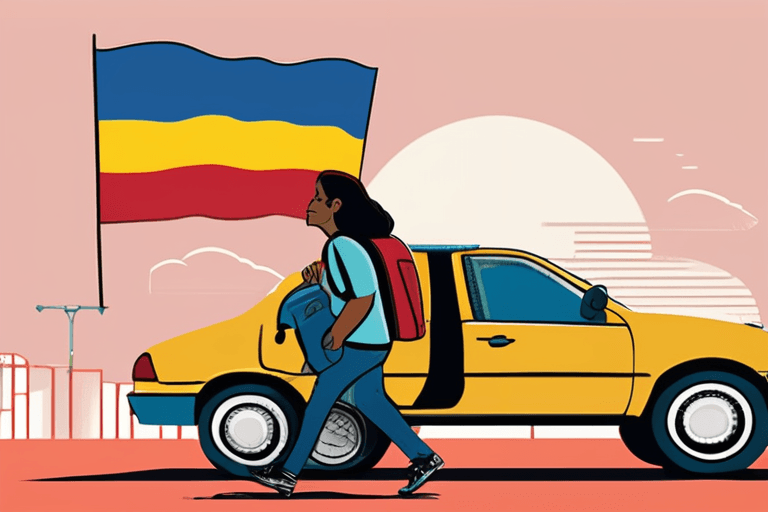
Mariela Gomez, a Venezuelan migrant, spent Christmas in northern Venezuela, a stark contrast to the holiday she envisioned a year prior while living in the United States. Gomez, along with her partner Abraham Castro, returned to Venezuela after Donald Trump's return to the White House in January led to the end of their American aspirations.
The couple celebrated Christmas with Castro's parents in Maracay, Venezuela, sharing a modest dinner of a lasagne-like dish, a departure from the traditional Venezuelan Christmas dish, hallacas. "We had a modest dinner, not quite what we'd hoped for, but at least we had food on the table," Gomez said. The high cost of ingredients for hallacas, coupled with their unemployment, made the traditional meal unaffordable.
Gomez and Castro are among thousands of Venezuelan migrants who have returned to their home country facing significant economic challenges. Unemployment and poverty are major obstacles for returning migrants, impacting their ability to reintegrate into Venezuelan society. The economic situation in Venezuela remains precarious, with limited job opportunities and high inflation.
The return of Venezuelan migrants from the United States has placed additional strain on the country's already struggling economy. Remittances, which once provided a vital lifeline for many Venezuelan families, have decreased as more migrants return home without stable income. The Venezuelan government has offered limited support to returning migrants, leaving many to rely on family and community networks for assistance.
The future remains uncertain for Gomez, Castro, and other returning Venezuelan migrants. The political and economic climate in Venezuela will play a crucial role in their ability to rebuild their lives and achieve economic stability.











Discussion
Join the conversation
Be the first to comment