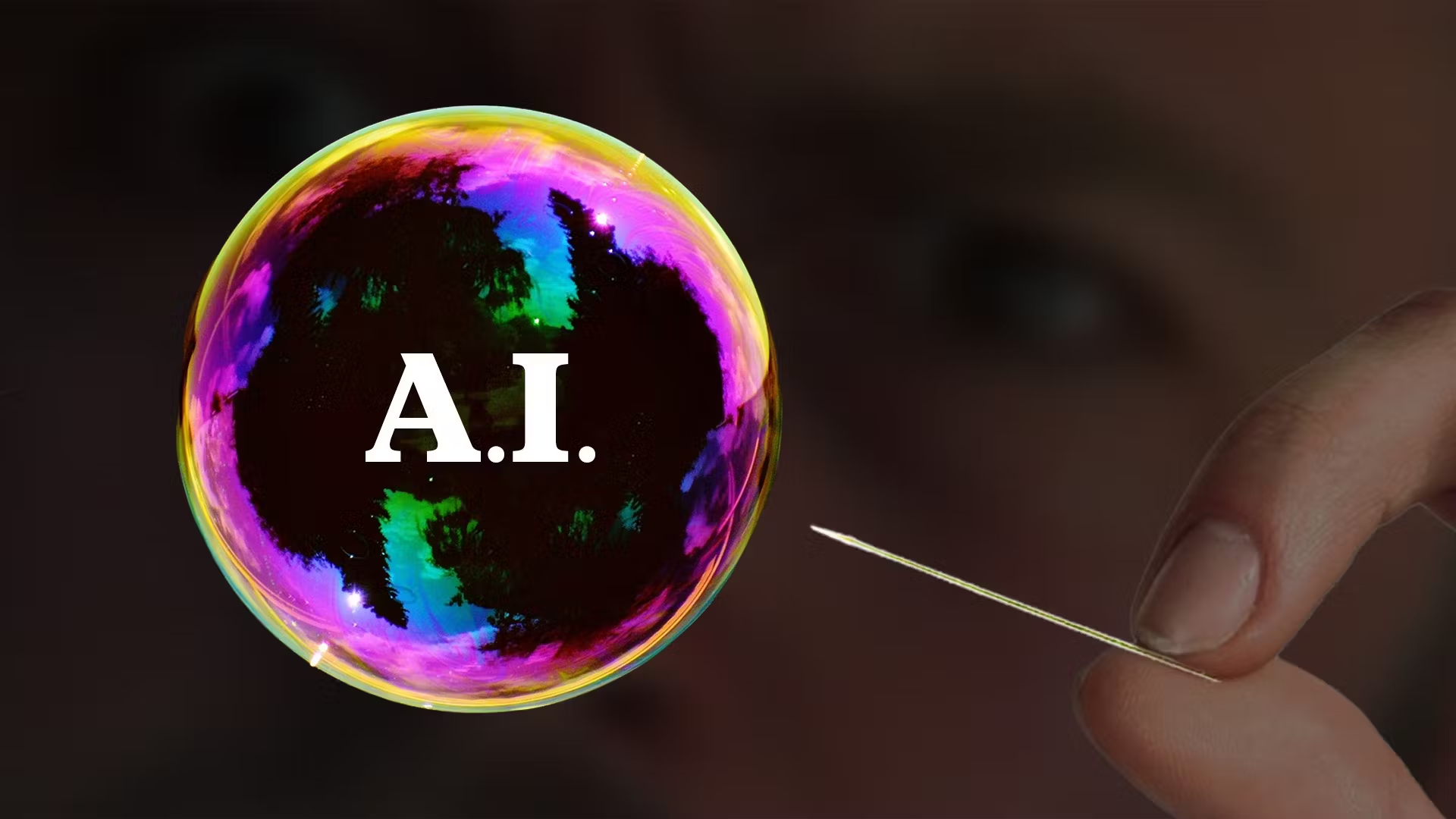
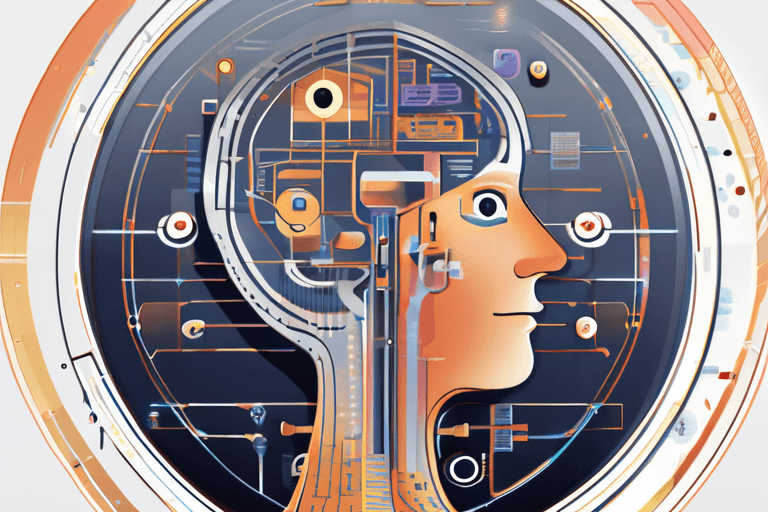
The recent release of OpenAI's GPT-5, an advanced artificial intelligence model, was expected to revolutionize the industry and propel AI to new heights. However, the rollout was met with disappointment and criticism, with many users and experts labeling it a "bust." The model's inability to outperform its predecessors and its tendency to produce risible errors have raised questions about the future of AI and the massive investments made in the industry. According to a study by MIT, a staggering 95% of enterprise AI efforts fail, sparking concerns that the AI bubble may be on the verge of bursting.
The AI industry has been fueled by hype and exaggerated claims, with companies like Google, Amazon, and Microsoft investing hundreds of billions of dollars in AI research and development. The promise of AI has been touted as a game-changer, with predictions of exponential growth and unprecedented benefits. However, the reality is far from it. As Alex Hanna, a technology critic and co-author of "The AI Con," notes, "AI companies are really buoying the American economy right now, and it's looking very bubble-shaped." The consequences of this bubble bursting could be severe, with investors facing significant losses and the industry as a whole facing a major reckoning.
One of the main problems with the AI industry is its reliance on hype and exaggerated claims. The term "artificial intelligence" is often used loosely, with many people assuming it refers to a machine's ability to think and learn like a human. However, this is far from the truth. As Emily M. Bender and Alex Hanna point out in their book, "The AI Con," AI promoters have exploited the public's vague understanding of the term "intelligence" to create a false narrative about the capabilities of AI. In reality, AI is simply a tool designed to perform specific tasks, and its ability to seem intelligent is often the result of clever marketing and anthropomorphism.
The failure of GPT-5 to deliver on its promises has significant implications for the industry. The model's inability to scale up and produce meaningful results has raised questions about the viability of AI as a whole. As Bender and Hanna note, the idea that scaling up AI will lead to artificial general intelligence (AGI) is a myth. The demand for more data and computing power will require massive investments, but the returns are unlikely to be worth it. In fact, a study by Morgan Stanley estimates that the demand for AI-related infrastructure will require around $3 trillion in capital by 2028, outstripping the capacity of the global credit and derivative securities markets.
The AI industry's obsession with hype and exaggerated claims has real-world consequences. Predictions of large-scale job losses and increased worker productivity have failed to materialize, and in many cases, AI has actually decreased productivity. The need for human workers to double-check AI outputs has become a major bottleneck, and the risk of AI-produced errors and fabrications is significant. As economists like Daron Acemoglu have noted, the actual benefits of AI are likely to be much smaller than predicted, and the industry's focus on hype and marketing has distracted from the real challenges and limitations of AI.
In conclusion, the failure of GPT-5 and the bursting of the AI bubble have significant implications for the industry and the public. It's time to take a step back and reassess the reality of AI and its capabilities. As Bender and Hanna note, "artificial intelligence" is a marketing term, not a scientific or engineering term. The industry's focus on hype and exaggerated claims has created a false narrative about the capabilities of AI, and it's time to separate fact from fiction. By doing so, we can gain a clearer understanding of what AI is and what it isn't, and make more informed decisions about its development and deployment.














Discussion
Join the conversation
Be the first to comment