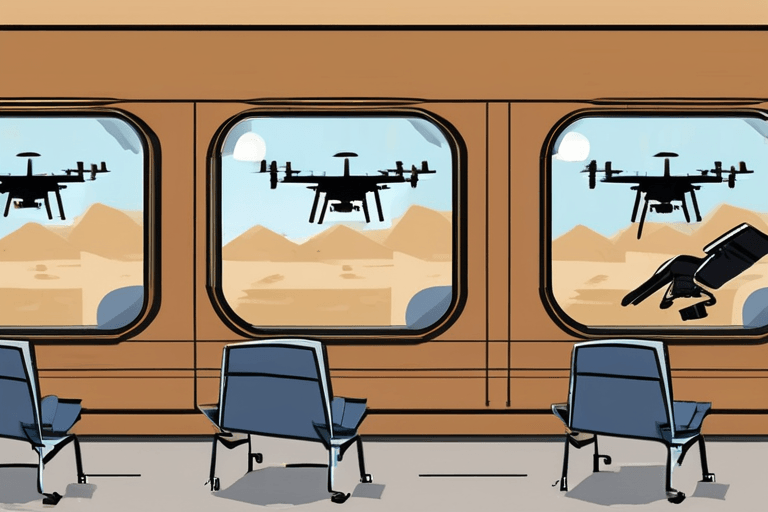
Drones are rapidly transforming the landscape of modern warfare, presenting new challenges for global security, according to recent analysis. The increasing accessibility and effectiveness of drone technology, fueled by commercially available components and artificial intelligence, necessitate a reassessment of defense strategies, particularly for nations like the United States.
The shift towards drone warfare signifies a departure from traditional large-scale terrorist attacks, experts say. Instead of incidents like the 9/11 attacks or the Oklahoma City bombing, future threats are more likely to involve coordinated drone swarms targeting critical infrastructure or strategic assets. This evolution demands a proactive approach to counter-drone capabilities and threat assessment.
Recent events underscore the growing importance of drones in international conflicts. In June 2025, Ukraine reportedly utilized drones in Operation Spider Web to destroy a significant portion of Russia's bomber fleet stationed on the ground. That same month, Israel allegedly conducted clandestine drone strikes within Iran, targeting military and nuclear facilities. Earlier in April, Houthi rebels employed drones and cruise missiles in an attack against the USS Harry Truman, a Nimitz-class aircraft carrier. These incidents highlight the diverse range of actors and applications associated with drone technology.
The use of drones by non-state actors, such as the Houthi rebels, further complicates the security landscape. Their ability to deploy sophisticated weaponry, often at a fraction of the cost of traditional military assets, poses a significant threat to regional stability and international maritime security. This proliferation of drone technology necessitates a coordinated global effort to regulate its use and prevent its misuse by terrorist organizations or rogue states.
The United States, in particular, must adapt its defense strategies to address the evolving threat posed by drone warfare. Underestimating the potential of drone technology could leave critical infrastructure vulnerable to attack. Investing in counter-drone technology, strengthening cybersecurity measures, and fostering international cooperation are essential steps to mitigate the risks associated with this emerging form of warfare. The future of conflict will likely be shaped by the buzzing sound of drone rotors, demanding vigilance and strategic adaptation from nations worldwide.









Discussion
0 comments
Share Your Thoughts
Your voice matters in this discussion
Login to join the conversation
No comments yet
Be the first to share your thoughts!