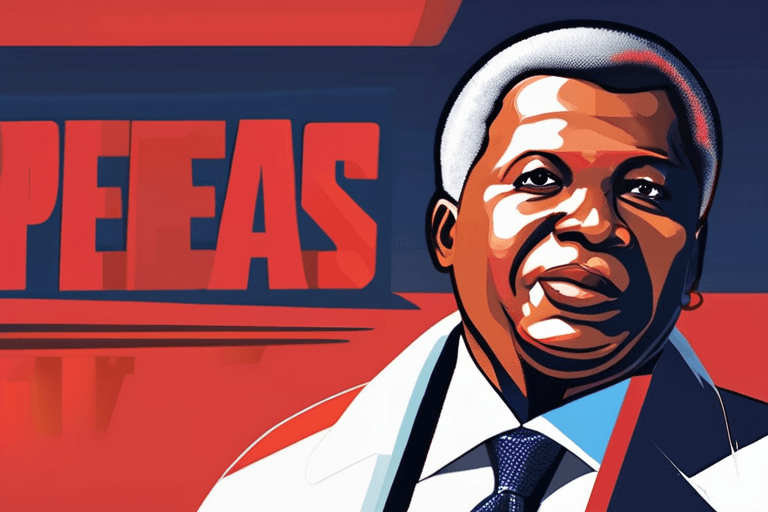
Citizens of the Central African Republic are scheduled to vote on Sunday in presidential and legislative elections that have been marked by controversy. The elections are expected to potentially extend President Faustin-Archange Touadera's tenure beyond the constitutionally mandated two-term limit, a development that has drawn criticism from opposition groups.
President Touadera, who gained international attention for adopting Bitcoin as legal tender in 2022, previously initiated a referendum that successfully abolished presidential term limits. This move, coupled with delays in confirming the candidacies of key challengers, has led some opposition parties to boycott the election, alleging it is a "sham," according to statements released by the Collective of Political Parties for Alternative (CPPA).
The electoral process has faced scrutiny from international observers. Concerns have been raised regarding the transparency and fairness of the voter registration process and the ability of all citizens to participate freely. The National Elections Authority has stated that it has taken measures to ensure a credible election, including deploying additional staff to polling stations and working with international partners to monitor the process.
Among the candidates challenging Touadera are former Prime Minister Anicet-Georges Dologuélé and Martin Ziguélé, both of whom have previously run for president. Dologuélé's campaign has focused on addressing the ongoing security challenges in the country and improving the economy, while Ziguélé has emphasized the need for national reconciliation and good governance.
The Central African Republic has struggled with instability and conflict for years. The government has been battling various armed groups for control of territory and resources. The presence of international peacekeeping forces, including the United Nations Multidimensional Integrated Stabilization Mission in the Central African Republic (MINUSCA), has been crucial in maintaining a fragile peace.
The outcome of the election will likely have significant implications for the country's future. A victory for Touadera could lead to further consolidation of power and continued implementation of his policies, including the controversial adoption of Bitcoin. A change in leadership could bring about new approaches to addressing the country's challenges, but also potential uncertainty and instability. The elections are being closely watched by regional and international actors, who are hoping for a peaceful and credible outcome that will contribute to the long-term stability of the Central African Republic.


















Discussion
Join the conversation
Be the first to comment