The French startup Ÿnsect, which gained prominence after receiving support from Robert Downey Jr. during Super Bowl weekend 2021, has entered judicial liquidation, the French equivalent of bankruptcy, due to insolvency. The company's collapse comes after raising over $600 million from investors, including Downey Jr.'s FootPrint Coalition, and various taxpayer-funded initiatives.
Ÿnsect aimed to transform the food chain by producing insect-based protein. However, the company struggled to define its core market, dividing its focus between animal feed and pet food, two sectors with distinct economic models and profit margins. This lack of focus extended to its mergers and acquisitions strategy. In 2021, Ÿnsect acquired Protifarm, a Dutch company specializing in mealworm production for human consumption, adding a third potential market to its portfolio.
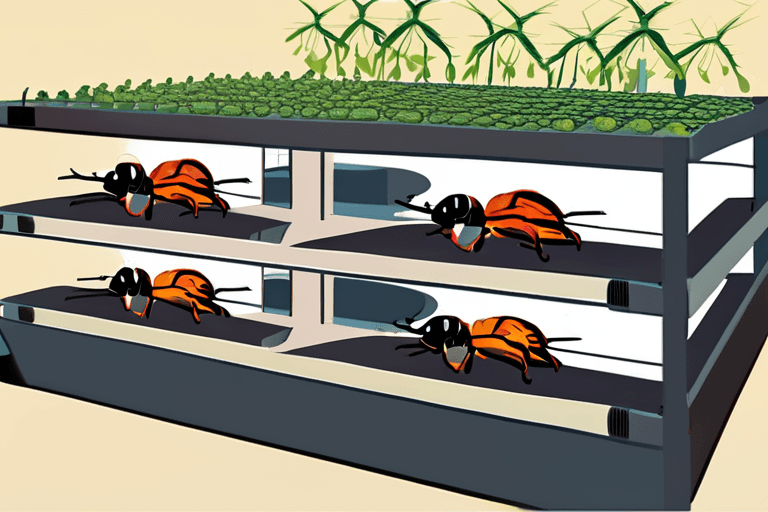
The company's initial vision centered on using insects, specifically mealworms, to create a sustainable protein source. Mealworms are relatively easy to farm and possess a high protein content, making them a potentially viable alternative to traditional livestock feed. Ÿnsect's process involved vertically integrated farms where mealworms were raised on agricultural byproducts, then processed into protein meal and oil. These products were intended to be sold as ingredients for animal feed, pet food, and, eventually, human food products.
Despite the initial promise and significant investment, Ÿnsect faced several challenges. Scaling up insect farming to an industrial level proved more complex and costly than anticipated. Maintaining consistent production quality and meeting regulatory requirements also presented hurdles. Furthermore, the market for insect-based protein remained relatively nascent, requiring significant investment in marketing and consumer education.
The acquisition of Protifarm further complicated Ÿnsect's strategy. While the human food market offered potentially higher margins, it also required navigating stricter regulations and overcoming consumer aversion to eating insects. The integration of Protifarm's operations and the development of human food products diverted resources from Ÿnsect's core animal feed business.
The judicial liquidation of Ÿnsect marks a significant setback for the insect farming industry. While the company's failure cannot be solely attributed to consumer perceptions of insects, it highlights the challenges of scaling up novel food technologies and navigating complex market dynamics. The industry will likely see increased scrutiny from investors and a greater emphasis on sustainable business models. The future of Ÿnsect's assets and technology remains uncertain, but the company's demise serves as a cautionary tale for other startups in the alternative protein space.















Discussion
Join the conversation
Be the first to comment