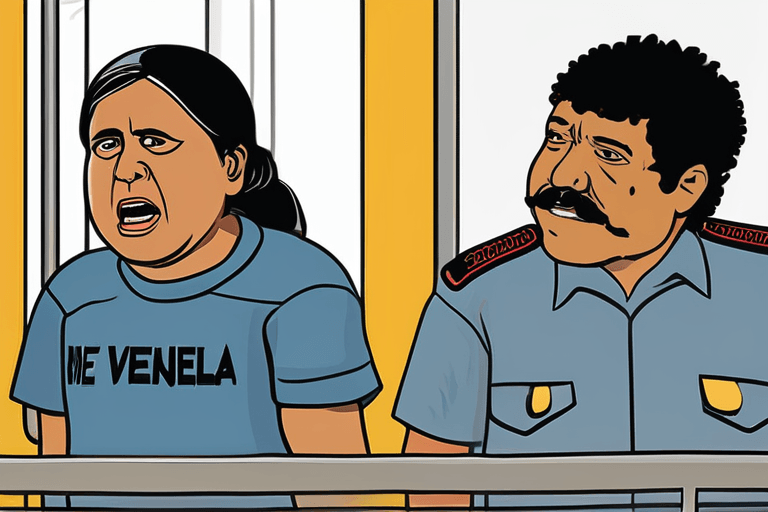
The Maduro regime, which does not acknowledge the existence of political prisoners, said the 99 citizens were freed in the early hours of Christmas Day. Civil society organizations reacted cautiously to the news, emphasizing that the releases were insufficient and that a significant number of political prisoners remain in the country. These organizations estimate that at least 900 political prisoners are still being held.
The 2024 election was widely believed to have been rigged by Nicolás Maduro, leading to widespread protests and subsequent detentions. The releases come as Venezuela faces increasing military pressure from the U.S., though the specific nature of this pressure was not detailed in the announcement. The government's statement framed the releases as a demonstration of its commitment to human rights despite external pressures.
Critics of the Maduro administration have long accused it of using arbitrary detention to suppress dissent and maintain power. International human rights organizations have documented numerous cases of political prisoners being held in harsh conditions and subjected to unfair trials. The government has consistently denied these allegations, maintaining that those detained were involved in criminal activities or posed a threat to national security.
The release of the 99 individuals represents the largest such action this year, according to the Venezuelan government. However, the continued detention of hundreds more remains a point of contention and a source of concern for human rights advocates both within Venezuela and internationally. The situation is ongoing, and further developments are expected as civil society organizations continue to advocate for the release of all political prisoners.













Discussion
Join the conversation
Be the first to comment