Morris, who in 1991 became the first African American to earn a doctorate in Earth and atmospheric sciences from the Georgia Institute of Technology, recognized the need for systemic change to foster inclusivity. "From the get-go, Morris knew that something needed to change to create more opportunities for Black scientists in his field," according to a Nature profile.
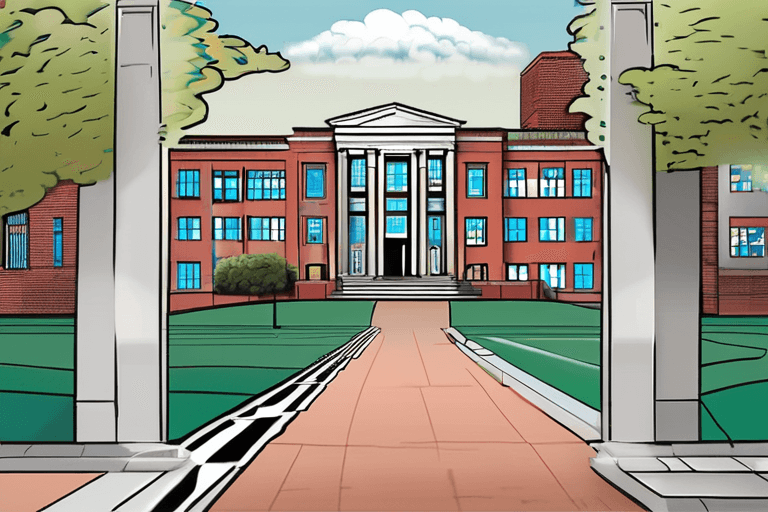
Between 2006 and 2018, the Howard University program produced at least 50 African American and 30 Latinx PhD graduates in atmospheric sciences in the United States. This initiative significantly impacted the diversity landscape of the field, addressing a historical disparity. The program's curriculum focused on providing students with a comprehensive understanding of atmospheric processes, including atmospheric chemistry, climate modeling, and remote sensing. Students gained expertise in analyzing complex datasets, developing predictive models, and conducting field research.
The impact of the program extends beyond academia. Graduates have gone on to careers in government agencies, research institutions, and private sector companies, contributing to advancements in weather forecasting, climate change research, and air quality monitoring. The program's success serves as a model for other institutions seeking to diversify their STEM programs.
Morris's efforts represent a significant step toward creating a more inclusive and equitable scientific community. The alumni network from the Howard University program continues to support and mentor aspiring scientists, ensuring that the legacy of the program endures. The program's continued success hinges on sustained funding and institutional support to maintain its research capabilities and attract top talent.
















Discussion
Join the conversation
Be the first to comment