Investment in neurological disease research is poised for a significant shift as mini-brain technology promises to revolutionize diagnostics and drug development for schizophrenia and bipolar disorder. The ability to identify distinct electrical firing patterns associated with these conditions, with reported accuracy rates exceeding previous methods, is attracting attention from pharmaceutical companies and venture capitalists.
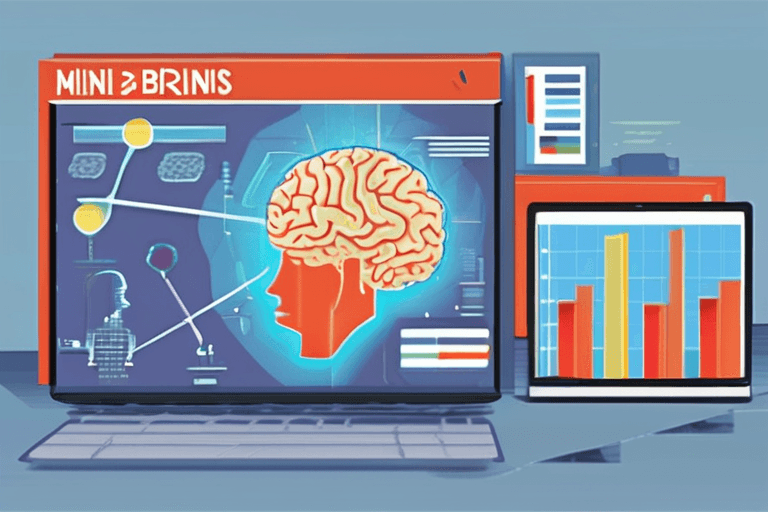
Researchers at Johns Hopkins University, the source of this breakthrough, reported that their lab-grown mini-brains, derived from patient cells, exhibited unique electrical signatures specific to schizophrenia and bipolar disorder. These signatures allowed for accurate identification of the conditions in lab tests. While specific investment figures remain undisclosed, early-stage funding for similar biotech ventures has seen a surge, with seed rounds averaging $5 million to $10 million in the past year. The potential for personalized drug testing, eliminating the trial-and-error approach currently plaguing psychiatric treatment, represents a substantial market opportunity.
The current market for schizophrenia and bipolar disorder treatments is estimated at over $30 billion annually, with a significant portion attributed to ineffective or poorly targeted medications. This new technology could disrupt this market by enabling pharmaceutical companies to develop and test drugs with greater precision, potentially reducing development costs and increasing the likelihood of successful clinical trials. Moreover, the ability to diagnose these conditions earlier and more accurately could lead to earlier intervention and improved patient outcomes, further reducing the economic burden associated with these disorders.
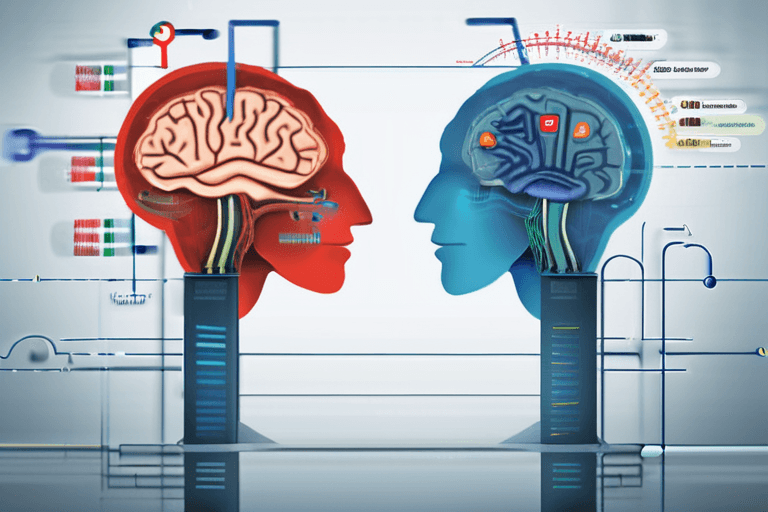
The field of "precision psychiatry," fueled by advances in AI and bioengineering, is rapidly gaining momentum. AI algorithms are being used to analyze complex datasets generated from these mini-brains, identifying subtle patterns that would be impossible for human researchers to detect. This convergence of AI and biotechnology is driving innovation and attracting investment from both traditional pharmaceutical companies and tech giants seeking to expand into the healthcare sector.
Looking ahead, the development of standardized mini-brain platforms and AI-powered diagnostic tools could transform the way schizophrenia and bipolar disorder are diagnosed and treated. The potential for personalized medicine, where treatments are tailored to an individual's unique brain activity patterns, represents a paradigm shift in psychiatric care. While regulatory hurdles and ethical considerations remain, the promise of more effective and targeted treatments for these debilitating conditions is driving significant investment and innovation in this rapidly evolving field. The next five years are expected to see a surge in clinical trials utilizing mini-brain technology, potentially leading to the approval of new, more effective therapies and diagnostic tools.
















Discussion
Join the conversation
Be the first to comment