Chief Information Officers (CIOs) must actively participate in artificial intelligence experimentation rather than simply governing its implementation, according to Rani Johnson, Workday CIO, in a recent statement. The current rapid advancement of AI technology presents both opportunities and challenges for enterprise technology leaders, demanding a proactive approach that prioritizes hands-on learning and trust, Johnson stated in a December 27, 2025, article.
Johnson emphasized that waiting for a "perfect" AI strategy carries a greater risk than potential missteps during experimentation. She believes real impact with AI stems from providing access to the technology, fostering trust in its capabilities, and committing to practical learning experiences.
Drawing from her own experiences, Johnson recounted early experiments with expert systems, including a venture designed to help people choose outfits. Despite initial skepticism from investors who doubted the viability of online clothing sales, she learned a crucial lesson: resistance to new technologies is often shortsighted. This experience shaped her approach to innovation throughout her career.
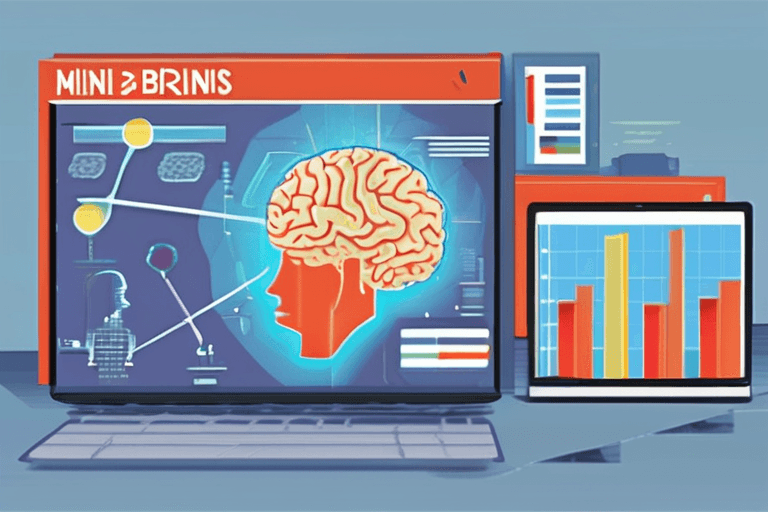
The implications of AI extend beyond mere technological upgrades; they touch upon societal norms and business strategies. CIOs, therefore, must understand the nuances of AI algorithms, including machine learning and neural networks, to guide their organizations effectively. Machine learning, a subset of AI, allows systems to learn from data without explicit programming, while neural networks, modeled after the human brain, enable complex pattern recognition.
Johnson's perspective aligns with a growing consensus that AI governance should not stifle innovation. Instead, it should provide a framework for responsible experimentation, ensuring that AI systems are ethical, transparent, and aligned with business objectives. This requires CIOs to cultivate a culture of continuous learning and adaptation within their organizations.
As AI continues to evolve, CIOs who embrace experimentation will be better positioned to leverage its potential and mitigate its risks. The next phase of AI development will likely involve more sophisticated applications of generative AI, which can create new content, and predictive analytics, which can forecast future trends. CIOs must stay informed about these developments to guide their organizations through the evolving technological landscape.


















Discussion
Join the conversation
Be the first to comment