The surging global demand for ube, the Philippine purple yam, is placing significant pressure on Filipino farmers, particularly in regions like Benguet Province, the Philippines, where the majority of the crop is cultivated. The Philippines produces over 14,000 tons of ube annually, solidifying its position as the world's leading producer, but farmers are struggling to keep up with international demand from countries like the United States, France and Australia.
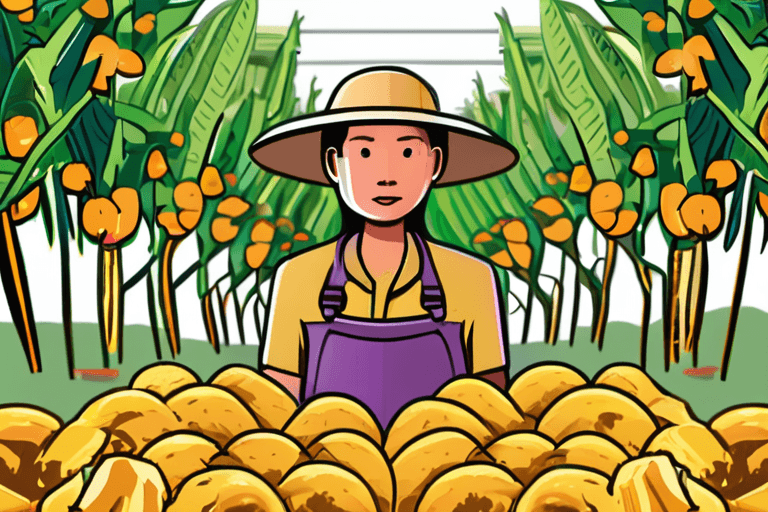
Teresita Emilio, a 62-year-old farmer in Benguet, demonstrated the delicate process of harvesting ube, emphasizing the care required to avoid damaging the crop. "I need to be careful. I might injure it," Emilio said, highlighting the labor-intensive nature of ube farming.
Ube's popularity has exploded in recent years, driven by its vibrant color and unique flavor profile, leading to its incorporation in various culinary creations worldwide. Bakeries and cafes in cities like New York, Paris, and Melbourne are featuring ube-flavored doughnuts, lattes, and hot cross buns, respectively, further fueling the demand.
The increased demand presents both opportunities and challenges for Filipino farmers. While it offers the potential for increased income and economic growth, it also raises concerns about sustainable farming practices, resource management, and the ability of local farmers to meet the escalating global appetite. The current farming methods, often passed down through generations, may not be sufficient to meet the rapidly increasing demand without compromising quality or environmental sustainability.
Agricultural experts suggest that the Philippines needs to invest in modern farming techniques, improved infrastructure, and research and development to enhance ube production and ensure its long-term viability. This includes exploring AI-driven solutions for crop monitoring, yield prediction, and resource optimization. AI-powered systems can analyze data from sensors and satellites to provide farmers with real-time insights into soil conditions, plant health, and potential pest infestations, enabling them to make informed decisions and improve efficiency.
The Philippine government and agricultural organizations are exploring initiatives to support ube farmers, including providing access to financing, training programs, and market linkages. These efforts aim to empower farmers to adopt sustainable practices, increase their yields, and compete effectively in the global market. The long-term sustainability of the ube industry hinges on a collaborative approach involving farmers, government agencies, researchers, and consumers to ensure that the growing global demand is met in a responsible and equitable manner.


















Discussion
Join the conversation
Be the first to comment