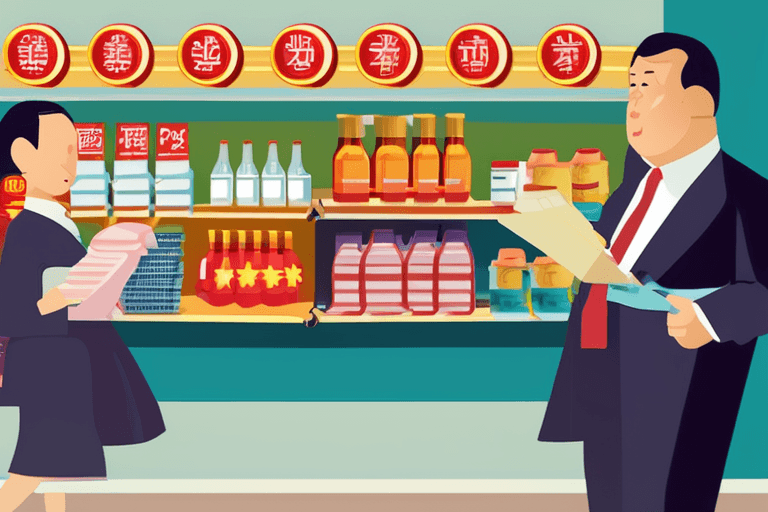
Economists predict that the United Kingdom is on the verge of experiencing a surge in inexpensive Chinese imports, potentially leading to a decrease in inflation as a consequence of the ongoing trade tensions between the United States and China. The Bank of England indicated that the UK is becoming a preferred destination for Chinese goods, as China seeks alternative markets to offset the impact of tariffs imposed by the U.S.
This shift follows recent data revealing that China's trade surplus has exceeded $1 trillion, despite the implementation of Washington's tariff policies aimed at curbing exports to the U.S. Stephen Millard, a deputy director at the National Institute of Economic and Social Research, stated, "There is an expectation that given the high tariffs the US are imposing on China, that China will divert its trade elsewhere and one of those places will be the UK."
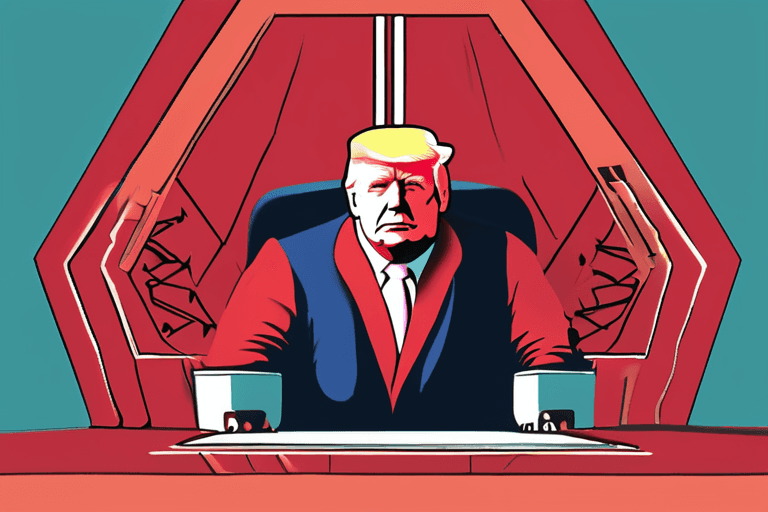
The potential influx of cheaper goods raises concerns among European manufacturers, who fear increased competition from Chinese products in the UK market. The diversion of Chinese exports is a direct consequence of the trade war initiated by the Trump administration, which imposed tariffs on a wide range of Chinese goods, prompting China to seek alternative markets for its exports.
The trade dispute between the U.S. and China has its roots in long-standing grievances over trade imbalances, intellectual property theft, and market access restrictions. The U.S. has accused China of unfair trade practices, while China has retaliated with its own tariffs on U.S. goods. The conflict has disrupted global supply chains and created uncertainty for businesses worldwide.
The UK's potential to absorb diverted Chinese exports stems from its relatively open economy and its departure from the European Union, which allows it to pursue its own trade policies. However, some economists caution that relying on cheap imports from China could have negative consequences for domestic industries and employment. The long-term effects of this trade diversion on the UK economy remain to be seen.

















Discussion
Join the conversation
Be the first to comment