Lavrov stated in a Telegram post on Monday that all 91 drones were intercepted and destroyed by Russian air defense systems, with no reported casualties or damage. Russia indicated it would review its position in peace negotiations following the alleged attack. The location of Putin at the time of the purported incident remains unclear.
Zelensky dismissed the claim as "typical Russian lies," suggesting it was intended to provide the Kremlin with a pretext to continue attacks on Ukraine. He noted that Russia had previously targeted government buildings in Kyiv. "It is critical that the world doesn't stay silent now. We cannot allow Russia to undermine the work on achieving a lasting peace," Zelensky added on X.
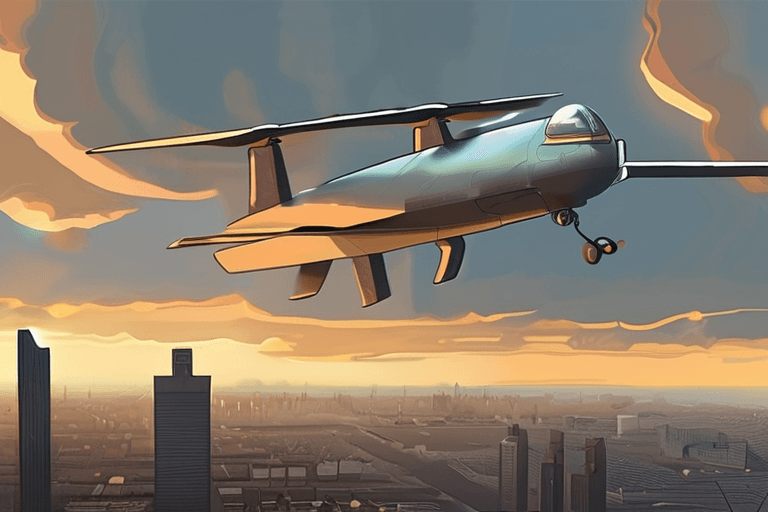
The use of UAVs, commonly known as drones, highlights the increasing role of artificial intelligence (AI) in modern warfare. Drones often employ AI algorithms for autonomous navigation, target recognition, and coordinated attacks. These algorithms can be trained on vast datasets to identify and track objects, making them effective tools for surveillance and combat. However, the use of AI in drones also raises ethical concerns about autonomous weapons systems and the potential for unintended consequences.
The development and deployment of AI-powered drones have significant implications for society. On one hand, they can reduce the risk to human soldiers and improve the efficiency of military operations. On the other hand, they raise concerns about the potential for escalation, the erosion of human control over lethal force, and the proliferation of autonomous weapons to non-state actors.
The current status of peace negotiations between Russia and Ukraine remains uncertain. Russia's claim of a drone attack and subsequent threat to review its position in negotiations could further complicate efforts to find a diplomatic resolution to the conflict. The international community is closely monitoring the situation, with many urging both sides to de-escalate tensions and return to the negotiating table.

















Discussion
Join the conversation
Be the first to comment