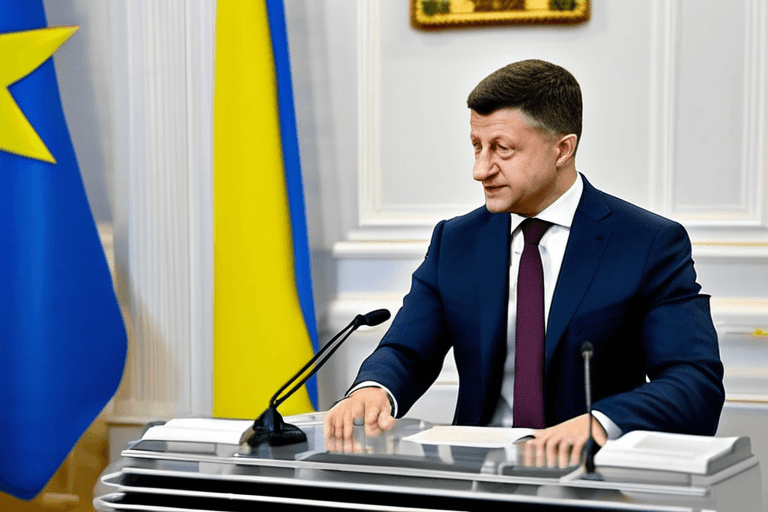
President Volodymyr Zelensky dismissed the claim as "typical Russian lies," asserting that it was intended to provide the Kremlin with an excuse to continue attacks on Ukraine. He noted that Russia had previously targeted government buildings in Kyiv. "It is critical that the world doesn't stay silent now," Zelensky added on X, formerly known as Twitter. "We cannot allow Russia to undermine the work on achieving a lasting peace."
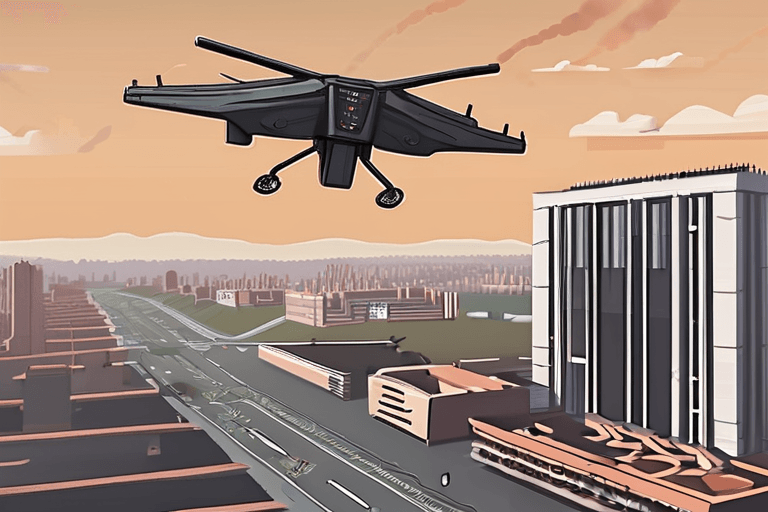
Lavrov stated in a Telegram post on Monday that all 91 drones allegedly launched at Putin's residence were intercepted and destroyed by Russian air defense systems. He further reported that there were no casualties or damage. Russia stated it would now review its position in peace negotiations. The location of Putin at the time of the alleged attack remains unclear.
The use of AI in analyzing drone warfare and geopolitical conflicts is becoming increasingly prevalent. AI algorithms can be used to analyze drone flight patterns, identify potential targets, and even predict future attacks. This technology raises ethical concerns about autonomous weapons systems and the potential for unintended consequences. The development of sophisticated AI-powered defense systems, like those Russia claims intercepted the drones, highlights the ongoing arms race in the digital age. These systems often employ machine learning to identify and neutralize threats, adapting to new attack patterns over time.
The incident occurs amidst ongoing tensions between Ukraine and Russia, with numerous attempts at peace negotiations having yielded little progress. The accusations and denials surrounding the alleged drone attack further complicate the already strained relationship and cast doubt on the possibility of near-term resolution. The international community is closely monitoring the situation, with many urging both sides to de-escalate and return to diplomatic channels.


















Discussion
Join the conversation
Be the first to comment