Traffic moved through Kyiv's city center during a blackout Tuesday, following reported Russian drone and missile attacks on civilian infrastructure the previous day. The attacks occurred amid escalating tensions, with Russia alleging an attack on President Vladimir Putin's residence in Novgorod on Sunday.
Kremlin foreign policy aide Yury Ushakov stated the alleged attack on Putin's residence took place "practically immediately" after talks between U.S. President Donald Trump and Ukrainian President Volodymyr Zelenskyy in Florida. Ushakov, in remarks reported by Russian media, said the strike "will not go unanswered" following a call between Trump and Putin. Russian Foreign Minister Sergey Lavrov claimed Russian air defense systems intercepted 91 long-range strike drones used in the alleged attack, adding that no injuries were reported.
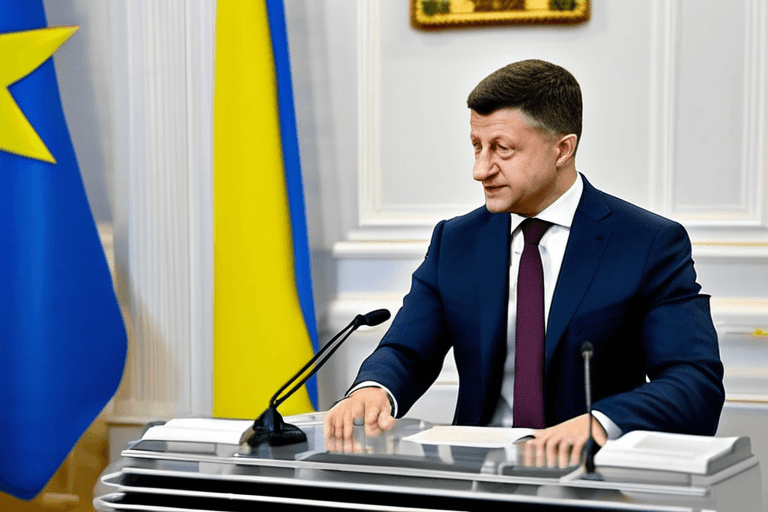
Zelenskyy denied the Russian claims, accusing Russia of attempting to derail ongoing peace talks. Trump, however, expressed his displeasure, telling reporters, "I was very angry about it."
The alleged attack and subsequent accusations highlight the fragile state of negotiations between Russia and Ukraine. The use of AI in modern warfare, specifically in drone technology, continues to raise ethical and strategic concerns. The ability of AI-powered drones to conduct long-range strikes and potentially target critical infrastructure presents a significant challenge to traditional defense systems. Furthermore, the spread of misinformation and disinformation, potentially amplified by AI-driven bots and deepfakes, complicates the already complex geopolitical landscape, making it difficult to ascertain the truth and hindering diplomatic efforts.
The reliance on AI in military operations also raises questions about accountability and the potential for unintended consequences. As AI systems become more autonomous, the risk of errors and miscalculations increases, potentially leading to escalations and civilian casualties. The international community is grappling with the need for regulations and ethical guidelines to govern the development and deployment of AI in warfare, aiming to mitigate these risks and ensure human oversight.
The current status of peace talks remains uncertain. Both sides have expressed willingness to negotiate, but the recent events have further strained relations. The international community continues to urge de-escalation and a peaceful resolution to the conflict. Further developments are expected following diplomatic consultations between key stakeholders.


















Discussion
Join the conversation
Be the first to comment