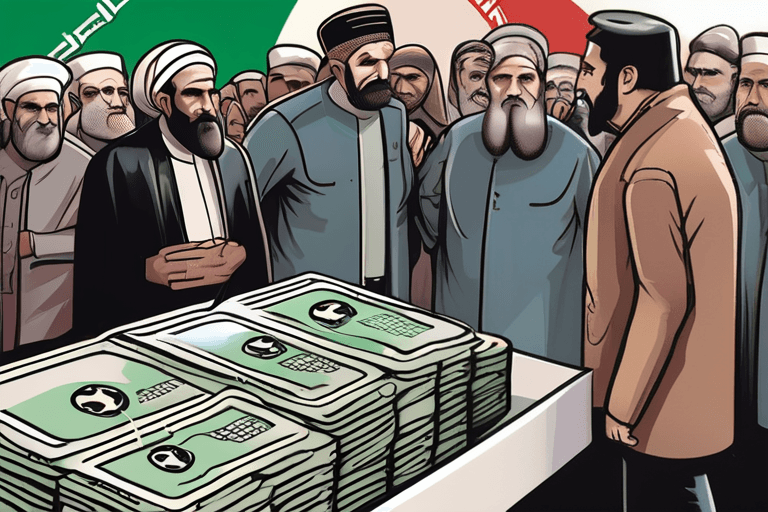
The rapid depreciation of Iran's national currency triggered widespread protests across Tehran and other Iranian cities on Monday. The currency plummeted to a record low against the U.S. dollar over the weekend, exacerbating already high inflation and placing significant strain on household finances.
The annual inflation rate in Iran reached 42.2 percent in December, compounding the economic hardship faced by Iranian citizens. The currency's collapse has injected considerable volatility into Iranian markets, disrupting trade and investment. In response to the escalating crisis, Mohammad Reza Farzin resigned from his position as head of Iran's central bank on Monday, pending presidential approval. Abdolnaser Hemmati, a former economy minister, was slated to succeed him.
This economic instability presents a significant challenge for Iran's leadership. The government is already navigating the complexities of managing a nation of 92 million people while addressing the aftermath of alleged attacks on its nuclear facilities in June and the ongoing pressure from the previous U.S. administration's maximum pressure campaign. President Masoud Pezeshkian acknowledged the public's concerns on social media, stating that the people's livelihood is his "daily concern" and that the government has actions planned.
The future outlook for the Iranian economy remains uncertain. The government's ability to stabilize the currency, curb inflation, and address the underlying economic issues will be crucial in preventing further social unrest and maintaining stability. The appointment of a new central bank head signals an attempt to regain control of the situation, but the effectiveness of any new policies will depend on a complex interplay of domestic and international factors.















Discussion
Join the conversation
Be the first to comment