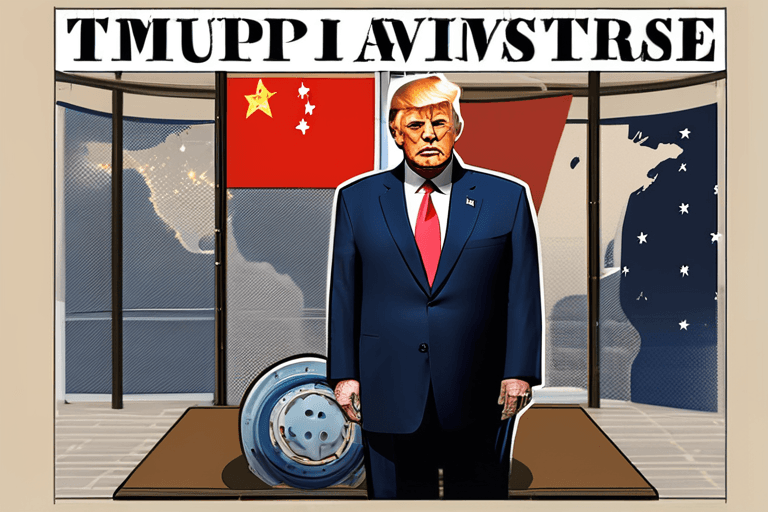
The two-day war games, which began Monday, occurred nearly two weeks after the U.S. announced an $11 billion arms sale to Taiwan. This sale had previously angered Beijing, which views Taiwan as a breakaway province. The exercises simulate the seizure and blockade of key areas of the island, serving as a warning against "Taiwan independence separatist forces" and "external interference," according to the Chinese military.
China's military exercises on Tuesday included 10 hours of live-firing exercises in the sea and airspace of five locations. The drills are a display of force amid escalating tensions between China and Taiwan, particularly in light of increased U.S. support for the island. The U.S. maintains a policy of "strategic ambiguity" regarding its defense of Taiwan, neither confirming nor denying whether it would intervene militarily in the event of a Chinese attack.
The situation highlights the complex geopolitical dynamics in the region, involving the interplay of military power, economic interests, and diplomatic relations. The U.S. arms sale to Taiwan, while intended to bolster the island's defense capabilities, has been interpreted by China as a provocation, leading to heightened military activity. The exercises also serve as a reminder of the potential for conflict in the region and the importance of maintaining open lines of communication between the U.S. and China.
The current status of the drills is that they have concluded. Future developments will likely depend on the ongoing dialogue between the U.S. and China, as well as the political climate in Taiwan.













Discussion
Join the conversation
Be the first to comment