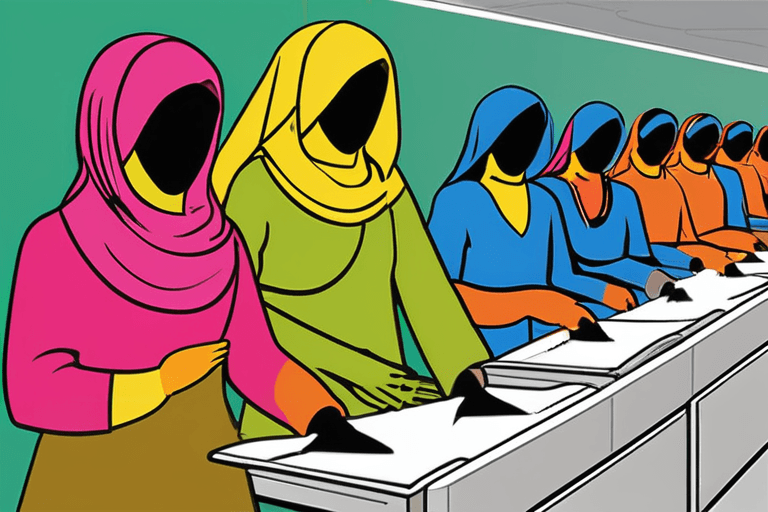
Bangladesh's garment-making industry, long associated with environmental damage and workplace safety concerns, is undergoing a significant transformation towards sustainability. The country now leads the world in LEED-certified garment factories, with 268 facilities meeting the stringent environmental standards. This shift marks a departure from past practices that contributed to severe pollution, such as the contamination of the Buriganga River in Dhaka with dyes, chemicals, and heavy metals from textile production.
The move towards greener practices includes the adoption of resource-efficient technologies to reduce waste and conserve water. Dye plants are transitioning to safer chemicals, tanneries are implementing cleaner tanning methods and treating wastewater, and factories are installing energy-efficient LED lighting and solar panels. These changes aim to mitigate the environmental impact of the industry and build resilience against climate change and global supply chain disruptions.
The garment sector in Bangladesh has historically faced scrutiny due to its environmental and social impact. The 2013 Rana Plaza collapse, which killed 1,134 people and injured approximately 2,500, brought international attention to the poor working conditions and safety standards prevalent in the industry. The sector is a vital contributor to the Bangladeshi economy, accounting for a significant portion of the country's exports. However, the rapid growth of the industry has often come at the expense of environmental protection and worker welfare.
The adoption of sustainable practices in Bangladesh's garment industry reflects a growing global trend towards environmentally responsible manufacturing. International brands and consumers are increasingly demanding transparency and sustainability from their suppliers, putting pressure on garment-producing countries to adopt greener practices. The LEED certification, developed by the U.S. Green Building Council, provides a framework for factories to reduce their environmental footprint and improve their operational efficiency.
While Bangladesh has made significant progress in greening its garment industry, challenges remain. Ensuring consistent enforcement of environmental regulations and promoting worker safety are ongoing priorities. Further investment in cleaner technologies and sustainable materials is also needed to fully transform the industry. However, the country's emergence as a leader in green garment manufacturing demonstrates its commitment to a more sustainable and responsible future.



















Discussion
Join the conversation
Be the first to comment