The team of researchers, whose work was recently published, created a system that translates sensory input into a stream of electrical spikes, mirroring the way human sensory neurons communicate. This approach allows the artificial skin to process information in a highly energy-efficient manner, crucial for robots operating on limited power sources.
"Our nervous system does an astonishing job of tracking sensory information using noisy streams of activity spikes," said a lead researcher on the project, who asked not to be named due to company policy. "By adopting some of the principles of how signals from our sensory neurons are transmitted and integrated, we've created an artificial skin that can provide robots with a more nuanced sense of touch."
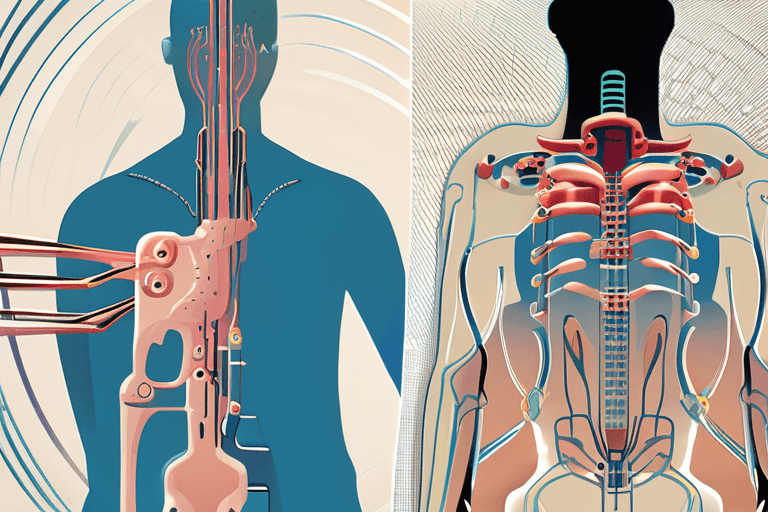
The artificial skin incorporates sensors for various stimuli, such as heat, cold, and pressure, similar to the specialized sensors found in human skin. These sensors feed into a network of artificial neurons that process the incoming signals and transmit them to the robot's control system.
While the system incorporates some non-biological components, it is designed to integrate seamlessly with existing AI-based control software. This is made possible by the availability of specialized chips that can run neural networks using spiking signals, enabling energy-efficient hardware to power the AI.
The development of neuromorphic artificial skin represents a significant advancement in robotics, offering the potential for robots to perform more complex and delicate tasks. For example, robots equipped with this technology could be used in surgery, manufacturing, or search and rescue operations, where a sensitive sense of touch is essential.
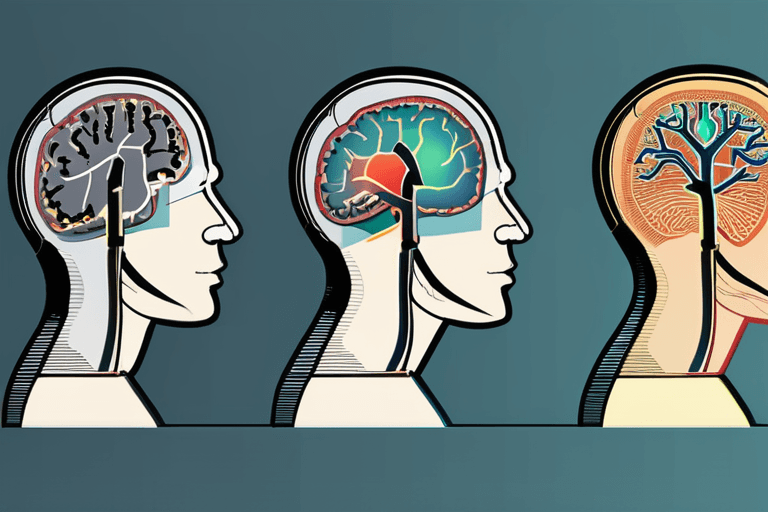
Experts in the field believe that this technology could also have broader implications for artificial intelligence. By mimicking the brain's neural networks, researchers hope to develop more efficient and intelligent AI systems.
"This research highlights the potential of neuromorphic computing to create AI systems that are more energy-efficient and better able to process complex sensory information," said Dr. Anya Sharma, a professor of robotics at a leading university, who was not involved in the study. "It's an exciting step towards building robots that can truly understand and interact with the world around them."
The researchers are currently working on improving the sensitivity and durability of the artificial skin. They also plan to explore new applications for the technology, such as developing prosthetic limbs with a more realistic sense of touch. The next steps involve extensive testing in real-world scenarios to validate the performance and reliability of the artificial skin in diverse environments.

















Discussion
Join the conversation
Be the first to comment