The glow of the screen illuminated 14-year-old Ethan's face as he typed a question into his Bible app: "What is sin?" He wasn't asking a parent, a pastor, or a friend. He was asking an AI chatbot. This seemingly innocuous interaction sparked a wave of concern for his mother, Keri Rodrigues, a realization that technology was subtly reshaping the moral compass of her child in ways she hadn't anticipated.
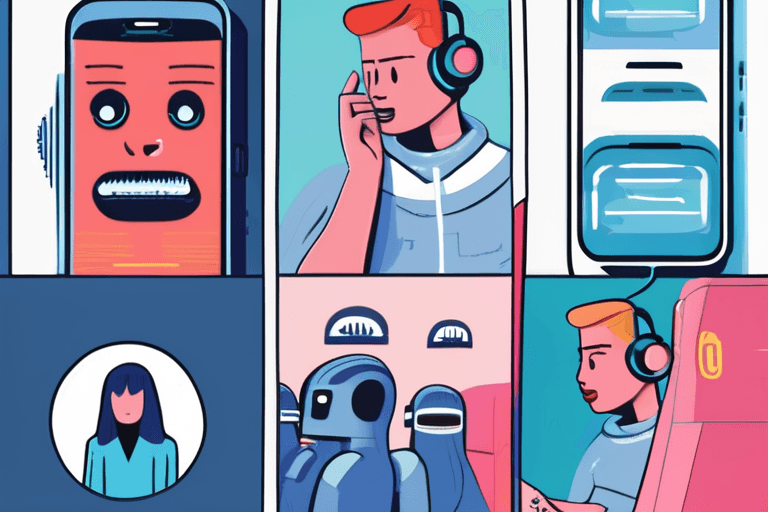
Rodrigues' experience is not unique. Across the nation, parents are grappling with the implications of increasingly sophisticated AI chatbots and their influence on teenagers. These digital companions, readily available on smartphones and laptops, are engaging teens in conversations that once belonged solely to the realm of human interaction, raising questions about emotional development, critical thinking, and even mental well-being.
AI chatbots have evolved rapidly in recent years. Fueled by advancements in natural language processing and machine learning, they can now mimic human conversation with remarkable accuracy. Large language models (LLMs) like GPT-4 are trained on massive datasets, enabling them to generate text, translate languages, and answer questions on a vast range of topics. This accessibility and versatility make them appealing to teens seeking information, companionship, or simply a distraction.
However, this ease of access comes with risks. Unlike human mentors, chatbots lack genuine empathy and understanding. Their responses are based on algorithms and data, not lived experience. This can lead to misinterpretations, inaccurate information, and even the reinforcement of harmful biases. "Not everything in life is black and white," says Rodrigues, president of the National Parents Union. "There are grays. And it's my job as his mom to help him navigate that and walk through it, right?"
The potential for manipulation is another significant concern. Chatbots can be programmed to influence users' opinions or behaviors, particularly when interacting with vulnerable individuals. Experts warn that teens, still developing their critical thinking skills, may be particularly susceptible to such manipulation. Furthermore, the anonymity afforded by online interactions can embolden users to engage in risky or inappropriate behavior, both with chatbots and with other individuals they meet through these platforms.
"We're seeing a generation growing up with AI as a constant presence in their lives," explains Dr. Anya Sharma, a developmental psychologist specializing in adolescent technology use. "It's crucial that we equip them with the skills to navigate these interactions safely and responsibly." Dr. Sharma emphasizes the importance of open communication between parents and teens about their online activities. "Talk to your kids about the limitations of AI," she advises. "Help them understand that chatbots are not a substitute for human connection and that they should always verify information from multiple sources."
Beyond individual conversations, there's a need for broader societal dialogue about the ethical implications of AI. Policymakers, educators, and technology developers must work together to create guidelines and safeguards that protect young people from the potential harms of these technologies. This includes developing AI literacy programs in schools, promoting responsible AI development practices, and establishing clear regulations for chatbot interactions with minors.
As AI continues to evolve, so too must our understanding of its impact on society. The story of Ethan and his Bible app is a reminder that technology is not neutral. It shapes our values, our relationships, and our understanding of the world. By fostering critical thinking, promoting open communication, and advocating for responsible AI development, we can help teens navigate the digital landscape safely and harness the power of AI for good. The future depends on it.


















Discussion
Join the conversation
Be the first to comment