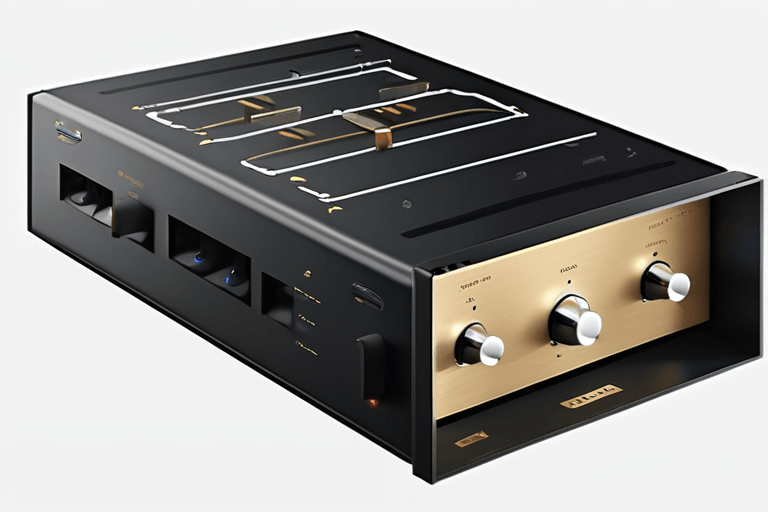
Every audio system requires amplification to function, but the role of a preamplifier, or preamp, within that system often raises questions for audio enthusiasts. A preamplifier prepares the audio signal from a source, such as a turntable or CD player, before it is sent to the main amplifier and then to the speakers.
The primary function of a preamp is to take a weak audio signal and boost it to a level suitable for the power amplifier, according to audio experts. This process involves more than just increasing the signal's strength. A preamp also performs crucial tasks like impedance matching and signal conditioning, ensuring the audio signal is clean and optimized for amplification.
In traditional hi-fi setups, preamps are separate components, offering users greater control over their audio. However, modern self-contained audio systems, like the Sonos Era 100, integrate the preamplification stage within a single unit. This integration simplifies the setup but may limit customization options.
Whether a preamp is necessary depends on the specific audio system and the sources being used. For instance, turntables require a phono preamp to boost the weak signal from the cartridge to a usable level. Similarly, some older audio sources may output a signal that is too weak for modern amplifiers, necessitating the use of a preamp.
The decision to use a separate preamp often comes down to audio quality and flexibility. Dedicated preamps typically offer superior sound quality and more advanced features compared to the preamplification stages found in integrated amplifiers or receivers. Audio engineers suggest that investing in a quality preamp can significantly improve the overall listening experience, especially for audiophiles seeking the highest fidelity.















Discussion
Join the conversation
Be the first to comment