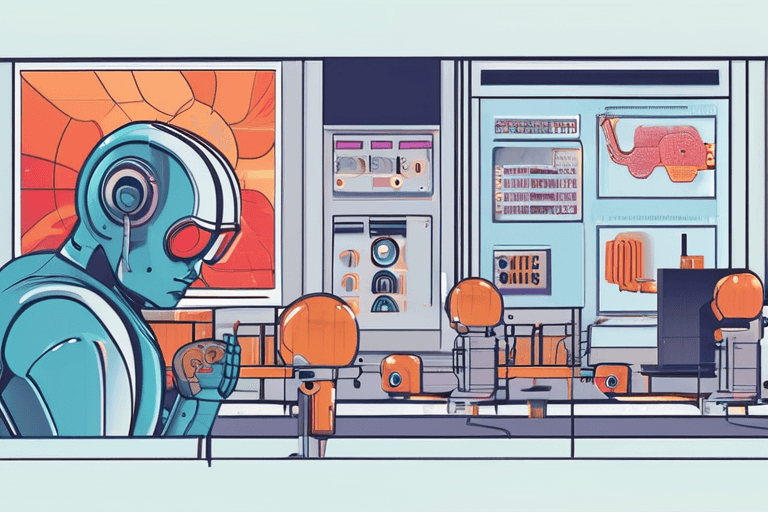
By 2050, superintelligent artificial intelligence is likely to conduct all scientific research, according to futurologist Nick Bostrom. Bostrom stated in an email that human researchers would likely be relegated to hobbyist status, unable to make significant contributions to the field.
The prediction comes as Nature magazine reflects on its 150-year history of forecasting scientific advancements. Throughout its history, Nature has regularly published predictions and projections about the future of research. At the turn of the twenty-first century, then-editor Philip Campbell boldly predicted the discovery of non-DNA-based life by 2100.
The potential shift to AI-driven research raises questions about the future of scientific careers and the nature of discovery itself. While computer models and future predictions are often inaccurate, they offer valuable insights into potential trajectories and challenges. The increasing sophistication of AI algorithms and their ability to process vast amounts of data suggest a growing role in scientific exploration.
The implications of AI dominating scientific research extend beyond individual careers. The speed and efficiency of AI could accelerate the pace of discovery, potentially leading to breakthroughs in medicine, materials science, and other fields. However, ethical considerations surrounding AI bias, data privacy, and the control of research agendas would need careful attention.

















Discussion
Join the conversation
Be the first to comment