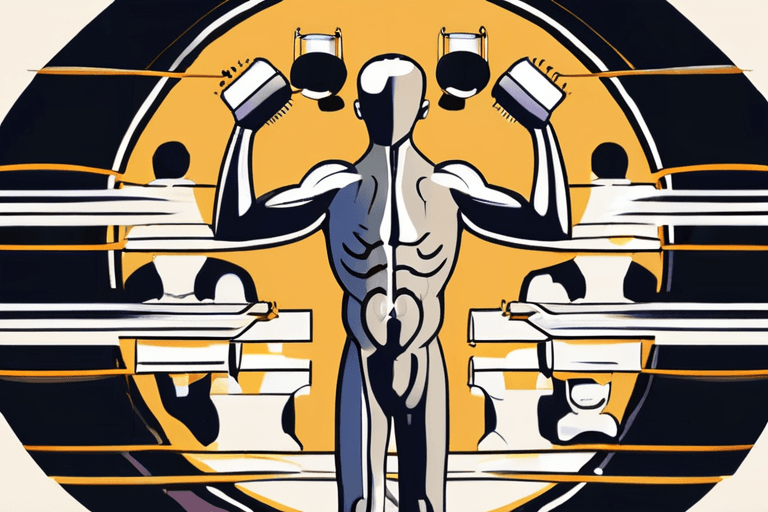
Patients taking GLP-1 drugs like Ozempic are reporting a concerning side effect: muscle mass loss, prompting discussions among healthcare professionals and patients alike about the importance of diet and exercise while using these medications. The drugs, initially developed for diabetes management, have gained popularity for their weight loss effects, but some users are finding that the rapid weight loss can lead to a reduction in muscle mass if not properly managed.
Serena Williams, a spokeswoman for Ro, a healthcare firm offering GLP-1 medications, acknowledged the role of science in the drug's effects, stating in a recent commercial, "After kids, it's the medicine my body needed." However, experts emphasize that GLP-1 drugs are not a simple shortcut and require a comprehensive approach.
The concern over muscle loss highlights the need for patients to maintain a protein-rich, balanced diet and incorporate strength training into their routines while taking GLP-1 medications. Dylan Scott, a health reporter for Vox, has been covering the emerging opportunities and challenges in improving health, including the implications of GLP-1 drugs.
GLP-1 drugs work by mimicking a naturally occurring hormone that regulates appetite and blood sugar levels. This leads to reduced food intake and subsequent weight loss. However, without sufficient protein intake and resistance exercise, the body may break down muscle tissue for energy.
Healthcare providers are now advising patients to prioritize protein consumption and engage in regular strength training to mitigate muscle loss. This approach aims to preserve lean muscle mass while still achieving the desired weight loss effects. The long-term implications of muscle loss associated with GLP-1 drugs are still being studied, and further research is needed to fully understand the potential risks and benefits.











Discussion
Join the conversation
Be the first to comment