Protests fueled by Iran's deteriorating economic situation expanded to universities across several cities on Tuesday, as students rallied for greater freedoms and engaged in confrontations with security forces near campus grounds, according to reports from local news outlets and social media videos. These student-led demonstrations injected a younger demographic into the ongoing protests that began earlier in the week, initially spearheaded by merchants expressing discontent over soaring inflation rates and the dramatic decline in the value of the Iranian currency, which reached a historic low over the weekend.
The economic turmoil unfolds against a backdrop of heightened international tensions. Just six months prior, Iran experienced a 12-day conflict with Israel, during which the United States participated in airstrikes targeting Iranian nuclear facilities. This recent unrest underscores the increasing domestic pressures facing Iranian leaders, who are grappling with a struggling economy and escalating foreign threats.
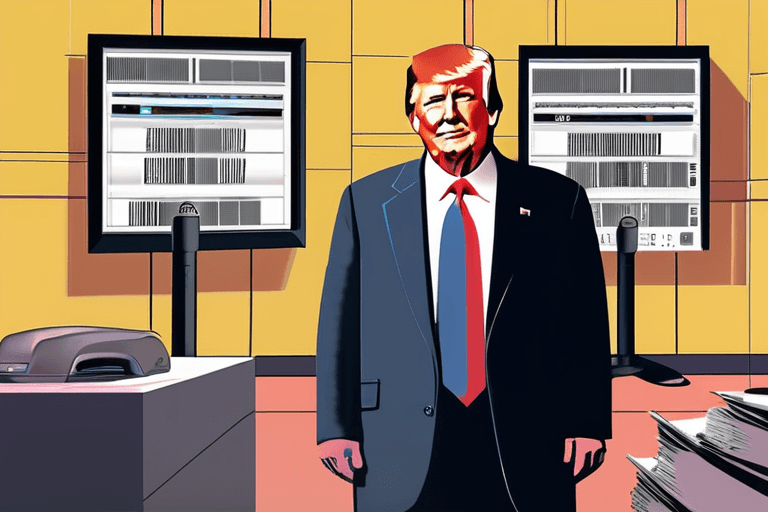
Following a meeting with Israeli Prime Minister Benjamin Netanyahu on Monday, U.S. President Donald Trump stated that the United States would support further action against Iran should it attempt to rebuild its nuclear program. "If it's confirmed, they know the consequences and the consequences will be very powerful, maybe more powerful than the last time," Trump said.
Iranian President Masoud Pezeshkian responded on Tuesday with a threat of retaliation, further escalating the already tense situation. The currency crisis is rooted in a complex interplay of factors, including international sanctions, government mismanagement, and global economic headwinds. The sanctions, reimposed after the U.S. withdrawal from the 2015 nuclear deal, have significantly curtailed Iran's ability to export oil, its primary source of revenue. This has led to a shortage of foreign currency, driving up the price of imports and fueling inflation.
The protests reflect a growing sense of frustration among Iranians, who are struggling to cope with the rising cost of living. The government has attempted to address the economic crisis through various measures, including currency controls and subsidies, but these efforts have so far failed to alleviate the situation. The demonstrations also highlight the deep-seated social and political grievances within Iranian society, with many protesters calling for greater political freedoms and an end to government corruption. The situation remains fluid, with the potential for further escalation in the coming days. The international community is closely monitoring developments, with concerns mounting over the potential for instability in the region.











Discussion
Join the conversation
Be the first to comment