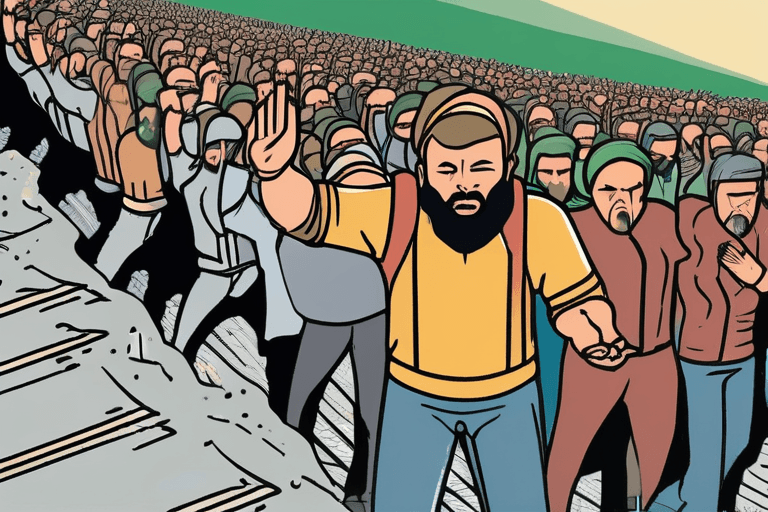
Iran is grappling with escalating economic turmoil as protests ignited by the Iranian rial's record low against the US dollar spread across the nation for a third consecutive day. The unrest, initially triggered by a strike among shopkeepers in Tehran's Grand Bazaar on Sunday, quickly expanded to multiple cities, including Karaj, Hamedan, Qeshm, Malard, Isfahan, Kermanshah, Shiraz, and Yazd.
The Iranian rial's depreciation to a record low against the dollar on the open market served as the immediate catalyst for the protests. While specific figures for the currency's decline were not disclosed, the severity of the situation prompted widespread discontent among Iranian citizens and business owners. The government acknowledged the protests and pledged to address the grievances, with President Masoud Pezeshkian instructing the interior minister to engage in talks with protest representatives.
The escalating unrest carries significant implications for the Iranian economy and business environment. The protests disrupt commercial activity, potentially leading to supply chain disruptions and reduced consumer spending. The currency devaluation further exacerbates inflationary pressures, eroding purchasing power and increasing the cost of imported goods. This economic instability creates uncertainty for businesses operating in Iran, hindering investment and long-term planning.
Iran's economy has faced numerous challenges in recent years, including international sanctions, declining oil revenues, and mismanagement. The country's reliance on oil exports makes it vulnerable to fluctuations in global energy prices. The government's efforts to diversify the economy and promote domestic production have faced obstacles due to bureaucratic hurdles, corruption, and a lack of foreign investment.
Looking ahead, the future outlook for the Iranian economy remains uncertain. The government's ability to address the underlying economic issues and restore confidence among the population will be crucial in stabilizing the situation. Negotiations with international powers to ease sanctions could provide a much-needed boost to the economy. However, without significant reforms and a commitment to transparency and accountability, Iran's economic challenges are likely to persist, potentially leading to further social unrest.










Discussion
Join the conversation
Be the first to comment