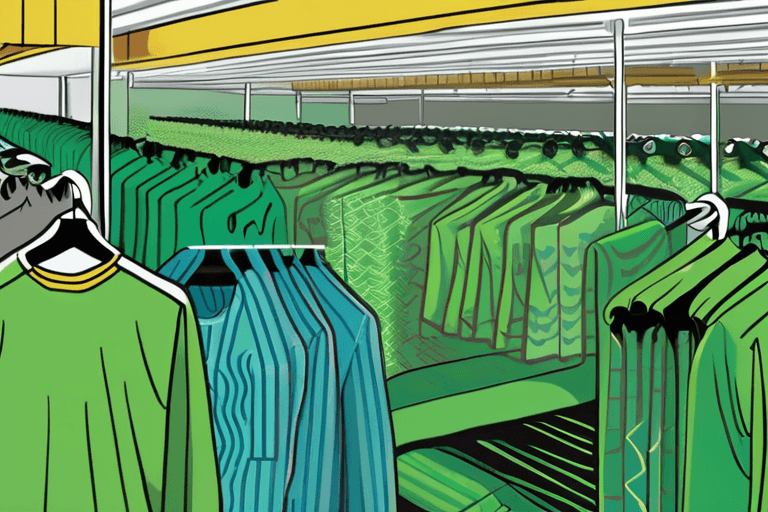
Bangladesh's garment-making industry, long associated with environmental damage and workplace tragedies, is undergoing a significant shift towards sustainability. The country, once known for incidents like the 2013 Rana Plaza collapse that killed over 1,100 people, now leads the world in LEED-certified garment factories, with 268 facilities meeting the stringent environmental standards.
This transformation addresses critical issues such as water pollution in rivers like the Buriganga, which suffers from textile production dyes, chemicals, and heavy metals. The move towards greener practices includes dye plants adopting safer chemicals, tanneries implementing cleaner tanning methods and wastewater treatment, and factories switching to energy-efficient LED lighting and solar panels.
The garment industry is a cornerstone of the Bangladeshi economy, contributing significantly to its export revenue and employing millions. However, its rapid growth has historically come at a cost, with lax regulations and inadequate safety measures leading to both environmental degradation and worker exploitation. The Rana Plaza disaster served as a catalyst for change, prompting international pressure and increased scrutiny on the industry's practices.
The adoption of resource-efficient technologies is not only improving environmental performance but also building resilience against climate impacts and global supply disruptions. This shift aligns with a growing global demand for ethically and sustainably produced goods, positioning Bangladesh as a potential leader in responsible garment manufacturing. The changes reflect a broader global movement towards sustainable industrial practices, driven by consumer awareness, regulatory pressures, and the increasing availability of green technologies. The hundreds of factories along the Buriganga's banks and elsewhere in Bangladesh are starting to stitch together a new story, woven from greener threads.


















Discussion
Join the conversation
Be the first to comment