A surge of Arctic air brought strong winds, heavy snow, and frigid temperatures to the Great Lakes and Northeast on Tuesday, following a bomb cyclone that swept across the Midwest. The storm left tens of thousands without power and created hazardous travel conditions.
The National Weather Service reported that blustery winds exacerbated the chill, with temperatures expected to dip below freezing as far south as the Florida panhandle. The wild storm impacted parts of the Plains and Great Lakes with sharply colder air, strong winds, and a mix of snow, ice, and rain. Forecasters classified the system as a bomb cyclone due to its rapid intensification, characterized by a significant drop in pressure.
Kristen Schultz, traveling home to Alaska, recounted her experience navigating the conditions to reach the Minneapolis airport on Tuesday, stating, "Just give yourself plenty of extra time and that way, even if things go smoothly, you dont have to be stressed out, she said, and youre ready in case things dont go so smoothly."
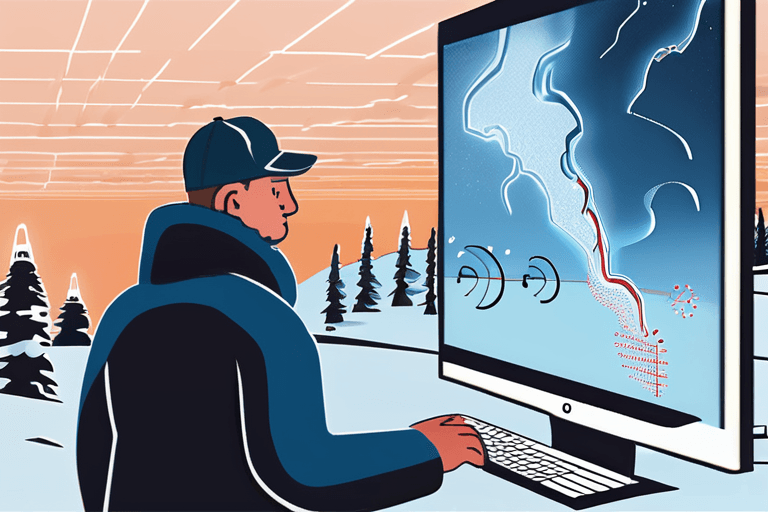
Poweroutage.us reported that more than 115,000 customers nationwide were without power Tuesday morning, with approximately a third of those outages occurring in Michigan. The storm's rapid intensification is a phenomenon that can be better understood and predicted through advancements in weather forecasting models, many of which now incorporate machine learning algorithms. These algorithms analyze vast datasets of atmospheric conditions to identify patterns and predict the behavior of weather systems with increasing accuracy.
The movement of such weather systems is influenced by a complex interplay of atmospheric factors, including jet streams, pressure gradients, and temperature differentials. Understanding these dynamics is crucial for mitigating the impact of extreme weather events on society. As the storm system moved into Canada, the focus shifted to recovery efforts and continued monitoring of weather patterns to anticipate future events.


















Discussion
Join the conversation
Be the first to comment