Protests fueled by Iran's deteriorating economic situation expanded to universities across several cities on Tuesday, as students rallied for greater freedoms and engaged in confrontations with security forces near campus grounds, according to reports from local news outlets and social media videos. These student-led demonstrations represent a new wave of participants joining protests that began earlier in the week, spearheaded by merchants expressing their discontent with soaring inflation rates and the dramatic decline in the value of the Iranian currency, which reached a historic low over the weekend.
The unrest unfolds against a backdrop of heightened tensions both domestically and internationally. Just six months prior, Iran was engaged in a 12-day conflict with Israel, during which the United States participated in bombings targeting Iranian nuclear facilities. This recent military action, coupled with the current economic woes, has placed considerable pressure on Iran's leadership.
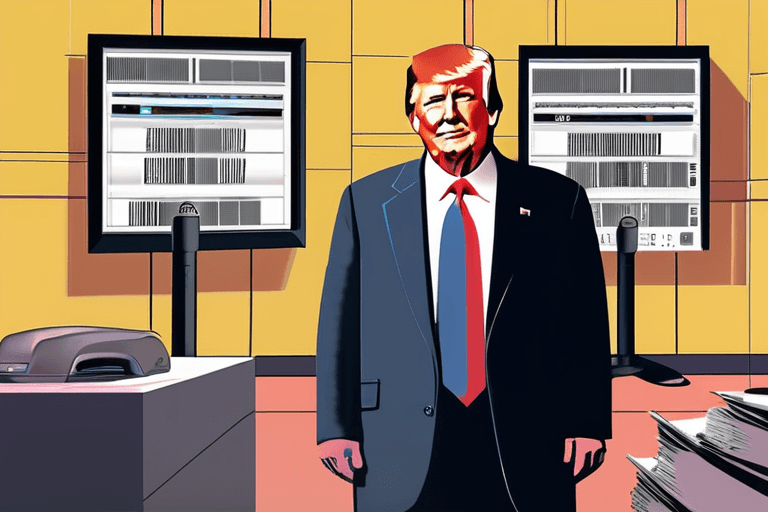
Adding to the external pressures, U.S. President Donald Trump, following a meeting with Israeli Prime Minister Benjamin Netanyahu on Monday, stated that the United States would support further action against Iran should it attempt to rebuild its nuclear program. "If it's confirmed, they know the consequences and the consequences will be very powerful, maybe more powerful than the last time," Trump said.
In response to Trump's statement, Iranian President Masoud Pezeshkian issued a warning on Tuesday, threatening to reactivate the nation's nuclear program. This exchange highlights the precarious geopolitical situation in the region, with the Iranian nuclear program remaining a significant point of contention between Iran, the United States, and Israel.
The economic crisis in Iran stems from a combination of factors, including international sanctions, particularly those imposed by the United States following its withdrawal from the 2015 nuclear deal, officially known as the Joint Comprehensive Plan of Action (JCPOA). These sanctions have significantly restricted Iran's ability to export oil, its primary source of revenue, leading to a sharp decline in foreign currency reserves and contributing to the devaluation of the rial.
The JCPOA, negotiated under the Obama administration, offered Iran sanctions relief in exchange for limitations on its nuclear program. However, the Trump administration's decision to withdraw from the agreement in 2018 and reimpose sanctions has had a devastating impact on the Iranian economy.
The current protests reflect a growing sense of frustration among the Iranian population, who are struggling to cope with rising prices and a lack of economic opportunities. The government's response to the protests has been met with criticism from human rights organizations, who have accused authorities of using excessive force and restricting freedom of expression. The situation remains fluid, with the potential for further escalation both domestically and internationally.










Discussion
Join the conversation
Be the first to comment